
FSM Policy Framework
Kigali, Rwanda.
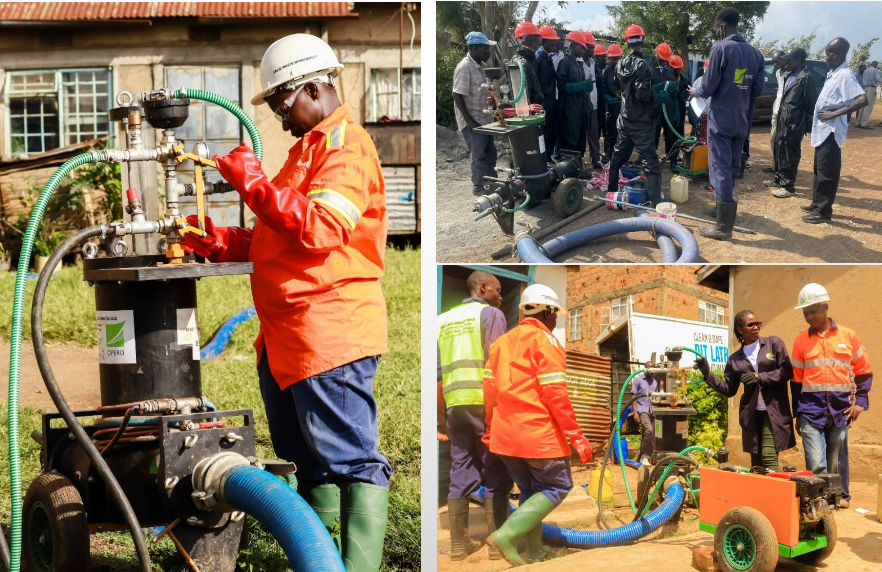
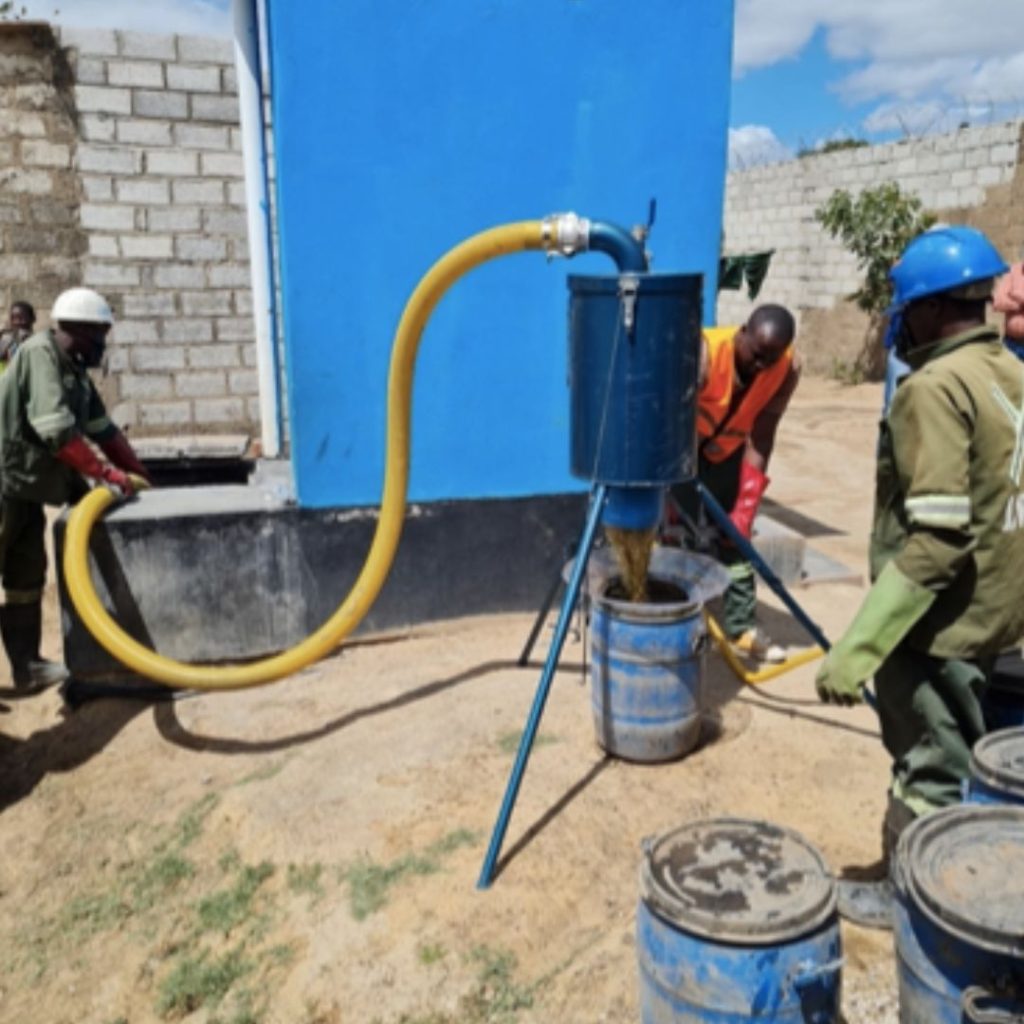
Policy and Strategic Framework for WASH
The Government of Rwanda, under the National Strategy for Transformation (NST-1), has prioritized achieving universal access to water, sanitation, and hygiene (WASH) services by 2024 as a key component of its social transformation agenda. Recognizing the vital role of clean water and sanitation in driving economic and social progress, poverty alleviation and public health, Rwanda has integrated these goals into its major policy frameworks, including Vision 2050 and the Green Growth and Climate Resilience Strategy (2023). To meet these targets, the government has introduced a range of sector-specific plans, such as the National Water Supply and Sanitation Policy (2023), Integrated Water and Sanitation Master Plans, and the National Water Resources Management Plan. Additionally, a WASH sector management information system has been established to monitor progress and guide decision-making, ensuring that the country remains on track to meet its Sustainable Development Goals (SDGs).
The newly unified National Water and Sanitation Policy, approved in October 2023, consolidates previous policies into a single comprehensive framework that aligns with Rwanda’s development objectives and addresses emerging challenges like water security, sustainability, and climate resilience. Complementing this policy are key regulations and strategies, including: the 2016 National Sanitation Policy Strategy, which provides detailed objectives and targets for sanitation; the 2023 regulations governing faecal sludge management, which establish operational standards and licensing requirements for service providers; and the Kigali City Master Plan, which outlines urban development strategies, including efficient sewage management and stormwater drainage systems. Together, these policies and frameworks support Rwanda’s commitment to sustainable and integrated management of its water and sanitation infrastructure, crucial
for accommodating the country’s growing population and urban development.

NATIONAL SANITATION POLICY IMPLEMENTATION STRATEGY (DECEMBER 2016)
The strategy is
designed to guide the implementation of key actions in the sanitation sector, ensuring alignment with national development goals such as Vision 2020, EDPRS 2, and SDGs. It details specific objectives,
performance indicators, and targets across various areas of sanitation, including individual, institutional, and collective sanitation, as well as stormwater and solid waste management. The strategy also addresses institutional responsibilities, financing, and monitoring frameworks necessary to achieve these goals.
NATIONAL WATER AND SANITATION POLICY (OCTOBER 2023):
The policy provides a comprehensive framework for sustainable water use, ensuring access to safe drinking water and sanitation for all citizens. The policy addresses the challenges of climate change, institutional capacity, and infrastructure gaps while aligning with national development goals such as Vision 2050 and SDGs. It also details the roles and responsibilities of various institutions involved in the implementation and monitoring of water and
sanitation services in Rwanda.
REGULATION NO 009/R/SAN-EWS/RURA/2023 OF 12/05/2023 GOVERNING FAECAL SLUDGE MANAGEMENT IN RWANDA (MAY 2023):
The regulations establish a regulatory framework for the effective and efficient management of faecal sludge in Rwanda. It outlines the responsibilities for faecal sludge collection, transportation, and treatment, including the licensing requirements for service providers. It also covers the operational standards for faecal sludge treatment facilities, safety measures, risk management, and compliance requirements to ensure environmental protection and public health.
KIGALI CITY MASTER PLAN REPORT (MAY 2013)
This report outlines the city’s vision and strategies for urban development, including aspects like land use, housing, transportation, and environmental management. Regarding sanitation, the report covers the challenges and proposed strategies for sewage management and stormwater drainage. It includes projections of sewage flow, the planning approach for an efficient sewerage system, and the need for adequate stormwater management techniques to address the city’s topography and prevent flooding. The plan emphasizes the importance of a sustainable and integrated approach to managing sanitation infrastructure to support Kigali’s growing population and urban development.