
Lusaka Sanitation in Action
Lusaka, Zambia’s rapidly growing capital city, is home to over 3 million residents, with more than 60% of the population living in informal settlements.
Sanitation in Lusaka
As the city expands, so does the need for sustainable, safe, and affordable sanitation services
Estimate Population
0
M
Households using pit latrines or septic tanks
0
%
Urban population living in unplanned areas
0
%
Residents with access to formal emptying services
-
0
%
The Participatory Sanitation Service Chain Action Research Project is being implemented in Lusaka to tackle these challenges head-on through community-driven innovation, technology trials, and improved service models.
Lusaka’s Implementation Plan
The sanitation project in Lusaka is guided by a multi-phase strategy that combines technology innovation, community engagement, and institutional collaboration.
Phase I
Complete
85%
- Community mapping of sanitation access and emptying patterns
- Baseline cost assessments
- Stakeholder engagement with Lusaka Water Supply and Sanitation Company (LWSC), Lusaka City Council, and service providers
Phase II
Complete
85%
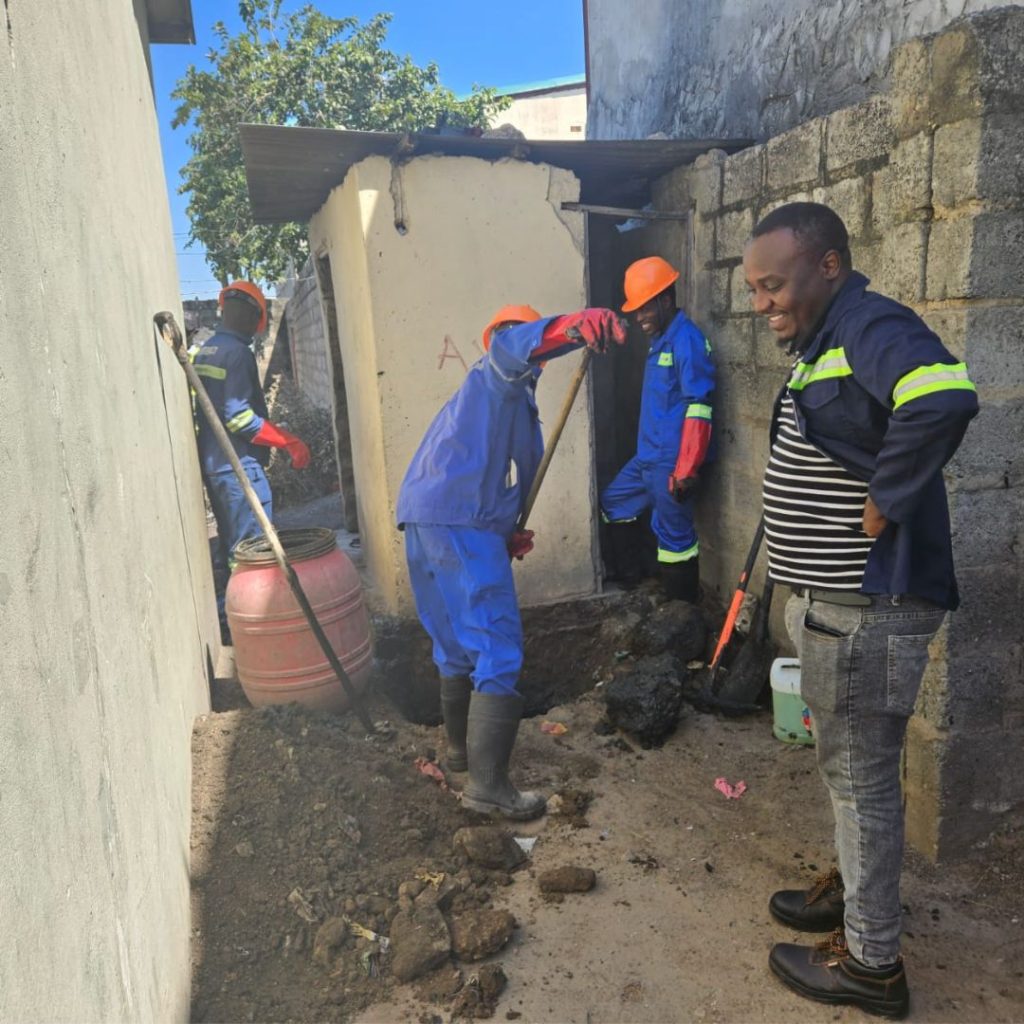
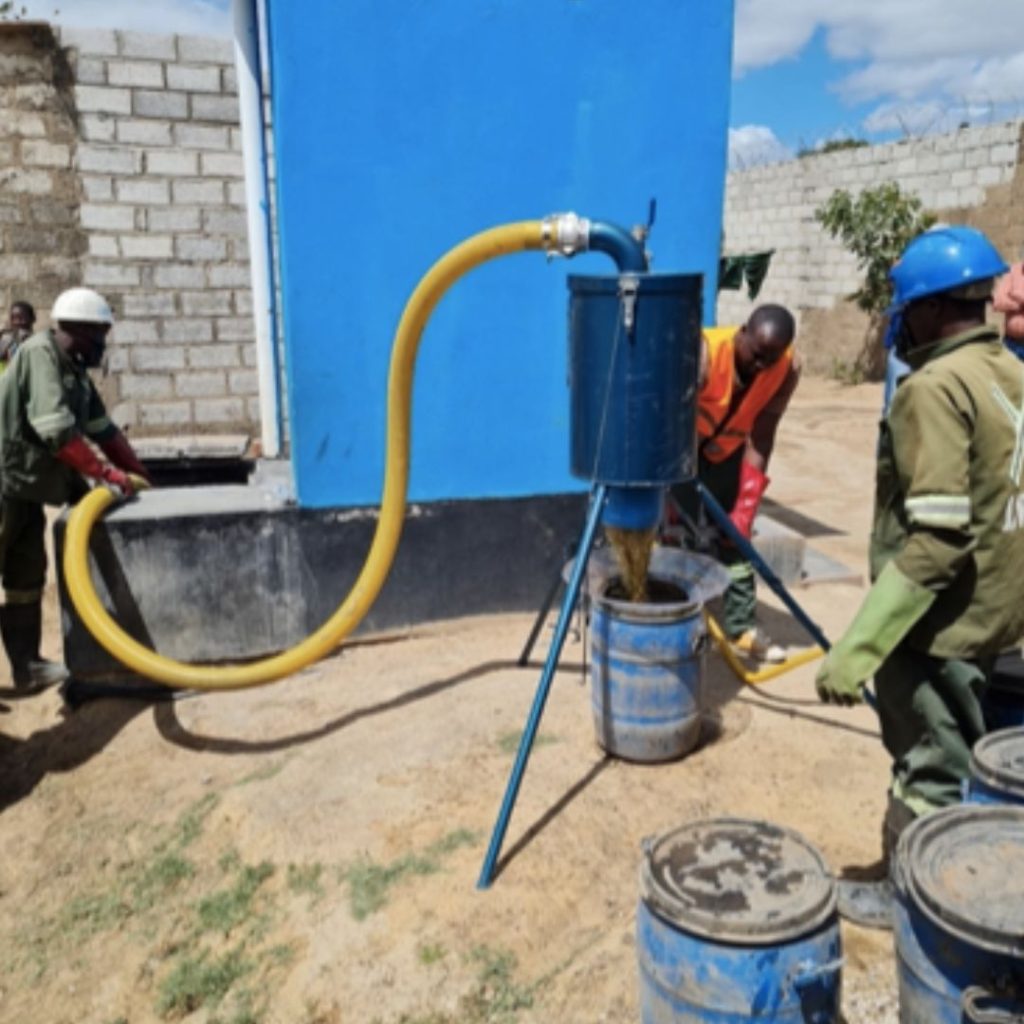
- Deployment of mobile transfer stations in hard-to-reach areas
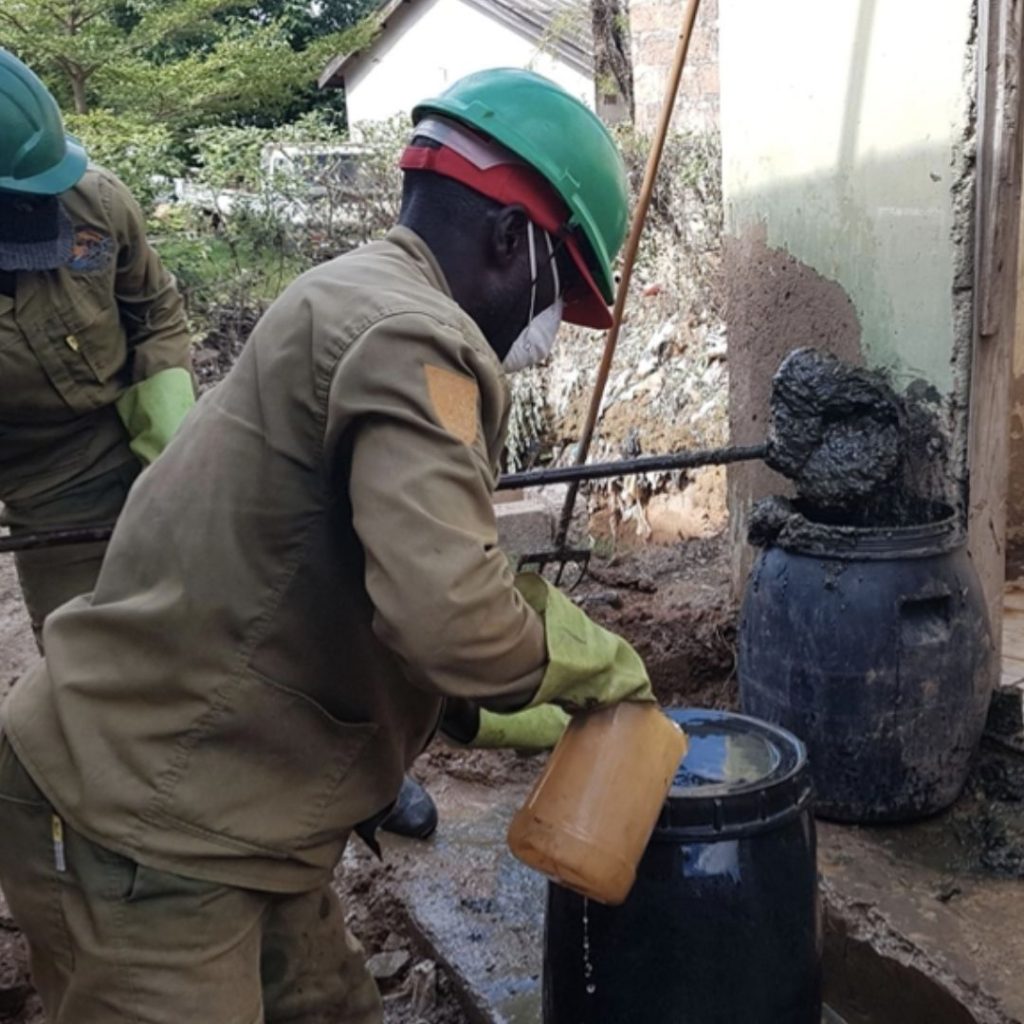
- Testing semi-mechanical tools like the Gulper V4 and PUPU Pump
- Evaluation of pit upgrades including Satopan conversions
Phase III
Complete
85%
- Training of pit emptiers in health and safety protocols
- Job creation through small-scale sanitation enterprises
- Community workshops and radio awareness campaigns
Phase IV
Complete
85%
- Cross-city comparisons with Kigali, Kampala, and Kisumu
- Recommendations for regulation and service model scaling
- Integration of findings into Lusaka’s urban development policies
Demographics & Community
Lusaka’s informal settlements are home to a vibrant and youthful population
Access to piped water
Only 20% in informal areas
Primary sanitation type
Unlined or basic pit latrines
Average household size
5.3 persons
Implementing Partners
Sanitation transformation is a shared mission.