
Sanitation Facilities
Lusaka, Zambia.
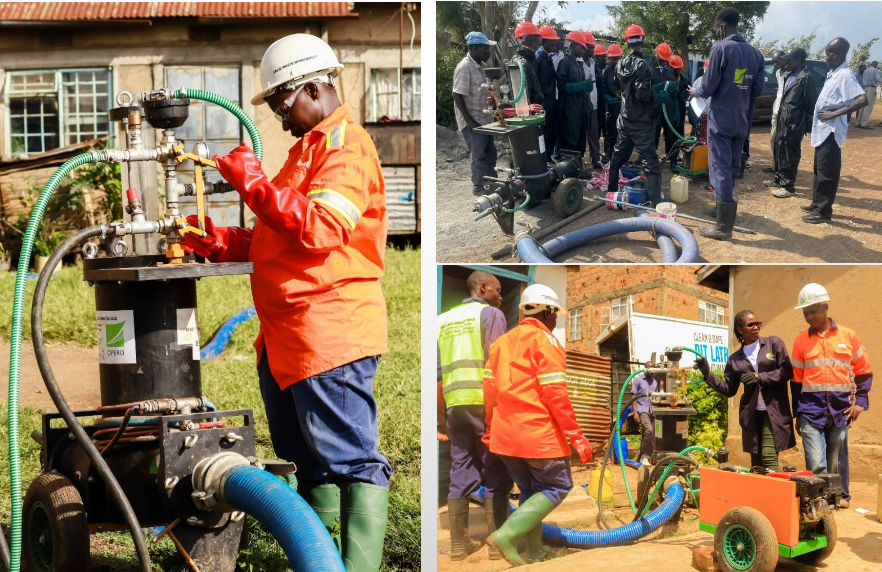
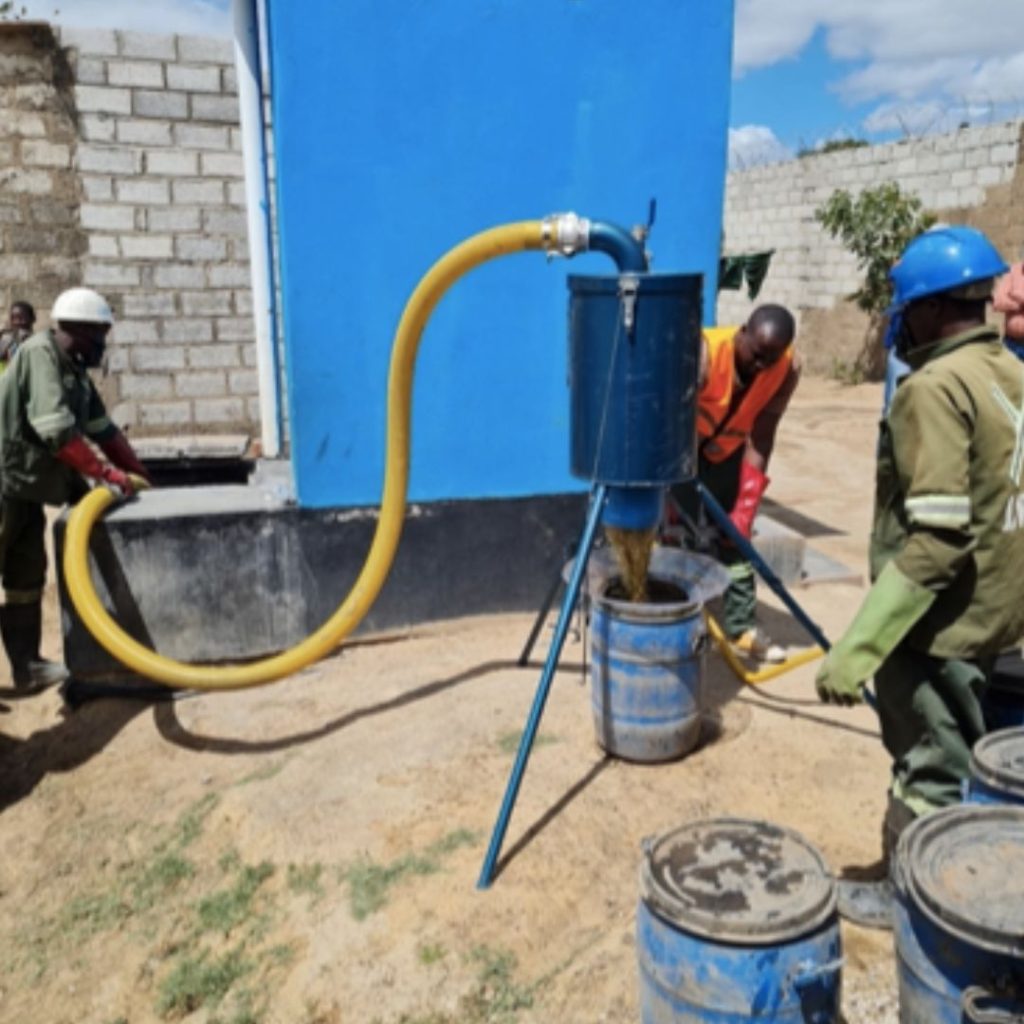
Household Sanitation Facilities
Pit latrines are the most common type of sanitation facility at the household level, predominantly found in peri-urban and informal settlements. They include traditional pit latrines and ventilated improved pit (VIP) latrines. Ninety percent of peri-urban area residents use pit latrines, with the remaining 10% using septic tanks. There is some sewerage in the central business district, which is supplemented by septic tanks serviced by vacuum tanker operators.
Septic tanks are widely used in middle and high-income residential areas that are not connected to the centralized sewer system. Thousands of households in these areas have septic tanks as their primary sanitation facility.
Flush toilets connected to the centralized sewer system are primarily found in the central business district (CBD) and high-income residential areas. These facilities serve about 30% of the population, equating to tens of thousands of households.
Container based toilets or bucket toilets are used in some informal settlements and areas where there is no adequate sanitation infrastructure. Some Lusaka dwellers still practice open defecation or use discarded cartons, bottles and even plastic bags as toilets, these are then thrown on garbage heaps or in open drainages.
Some 4 000 improved VIPs have been built over the last five years, partly subsidised by the LSP. These incorporate offset, sealed pits and Sato Pan squat pans. The Sato Pan incorporates a flap with a water seal and uses a low flush for operation. Figure 2 shows one of the “LSP” toilets.
Community Level Sanitation Facilities
Public toilets are strategically located in markets, bus stations, and other high-traffic areas across Lusaka. There are several hundred public toilets available to the public, providing essential sanitation services in these crowded locations. Some facilities are only accessible upon payment of a user fee ranging between K2- K5 (Average 20cents USD) per usage.
Mobile toilets are used during large events or in areas where permanent facilities are inadequate. Their numbers vary depending on the specific event or need, providing temporary sanitation solutions when required, these are often provided by private service providers who are slowly growing in numbers in offering this service as the market demand increases.
In Lusaka, shared toilets are common, especially in high-density, low-income areas. Typically, a toilet is shared by multiple households, often ranging from 4 to 10 families. Maintenance responsibility usually falls on the users, with informal agreements dictating cleaning schedules. Costs for emptying the pits are either shared among the households or covered by landlords. However, due to financial constraints, emptying is often delayed, leading to overflows and public health risks.
Treatment and Disposal Facilities
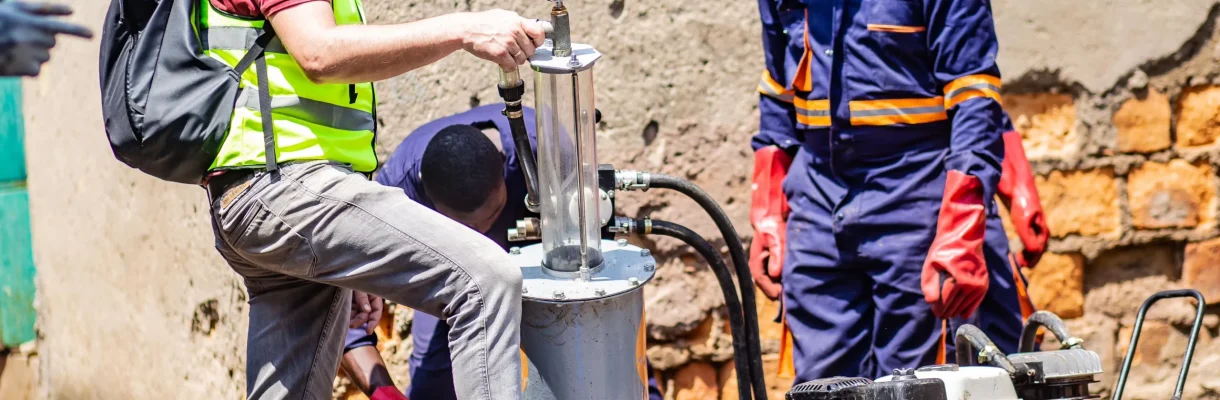
Faecal sludge (FS) from septic tanks and pit latrines is managed through a combination of formal and informal methods. Formal faecal sludge treatment plants (FSTPs), such as those operated by the Lusaka Water and Sewerage Company (LWSC), incorporate biodigester tanks and drying beds. One of the primary sites for FS treatment is the Manchinchi FSTP along with smaller-scale treatment plants and community-based facilities in Kanyama and Chazanga are all located close to the CBD, but are either within or close to some of Lusaka’s densely populated informal settlements. The Kanyama FSTP has been out of commission due to operational issues for some time. The EIB is financing new treatment sites in Chunga and Ngwerere.
The distance from FS collection points in peri-urban areas and these treatment facilities is typically less than 20 kilometers, depending on the location of the serviced area and the specific treatment plant used. The distance impacts the cost and logistics for vacuum tanker operators and other desludging service providers.
Despite the presence of formal facilities, informal and illegal FS disposal methods are still common. In some instances, FS is illegally dumped in open fields, drainage systems, or water bodies, especially when formal disposal options are inaccessible or unaffordable. This practice poses significant health risks and environmental hazards, particularly in informal settlements and areas lacking adequate sanitation infrastructure. Another common informal method is the burial of FS in shallow pits or trenches within the community. Additionally, some local operators provide unregulated desludging services, resorting to informal disposal methods to cut costs or due to lack of access to formal treatment facilities, exacerbating health risks for operators and communities and contributing to environmental degradation.