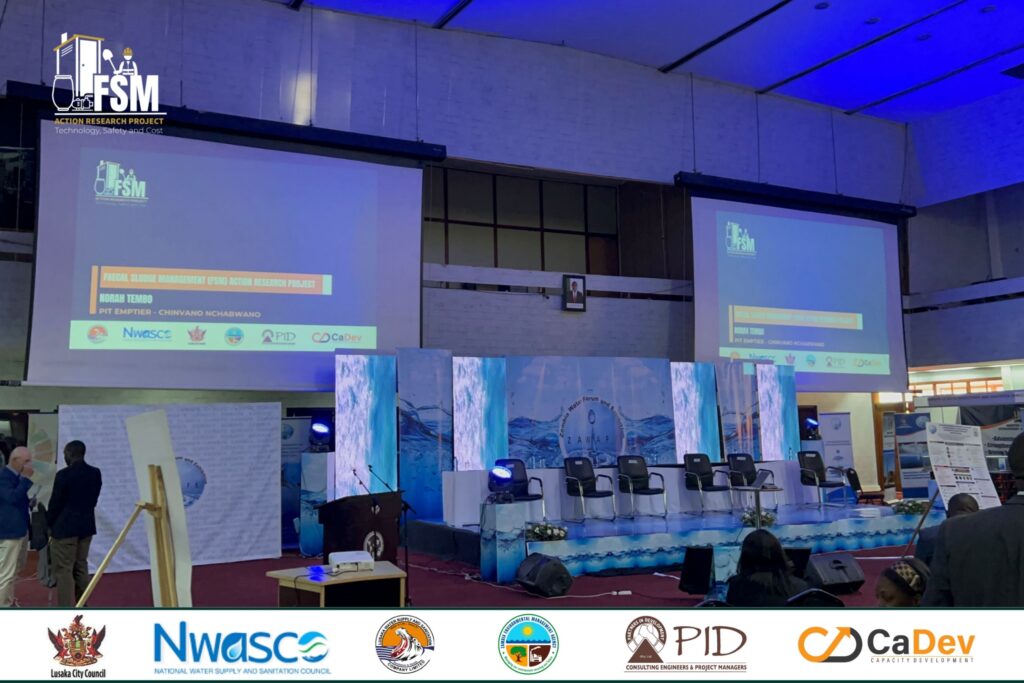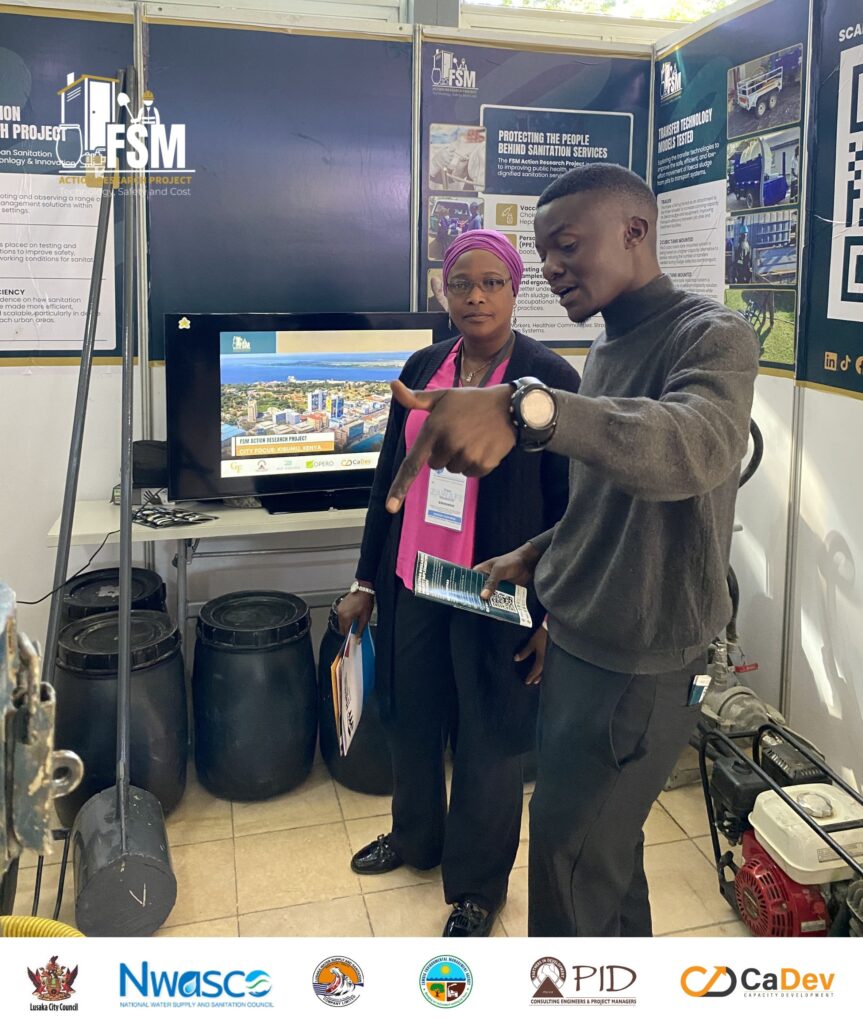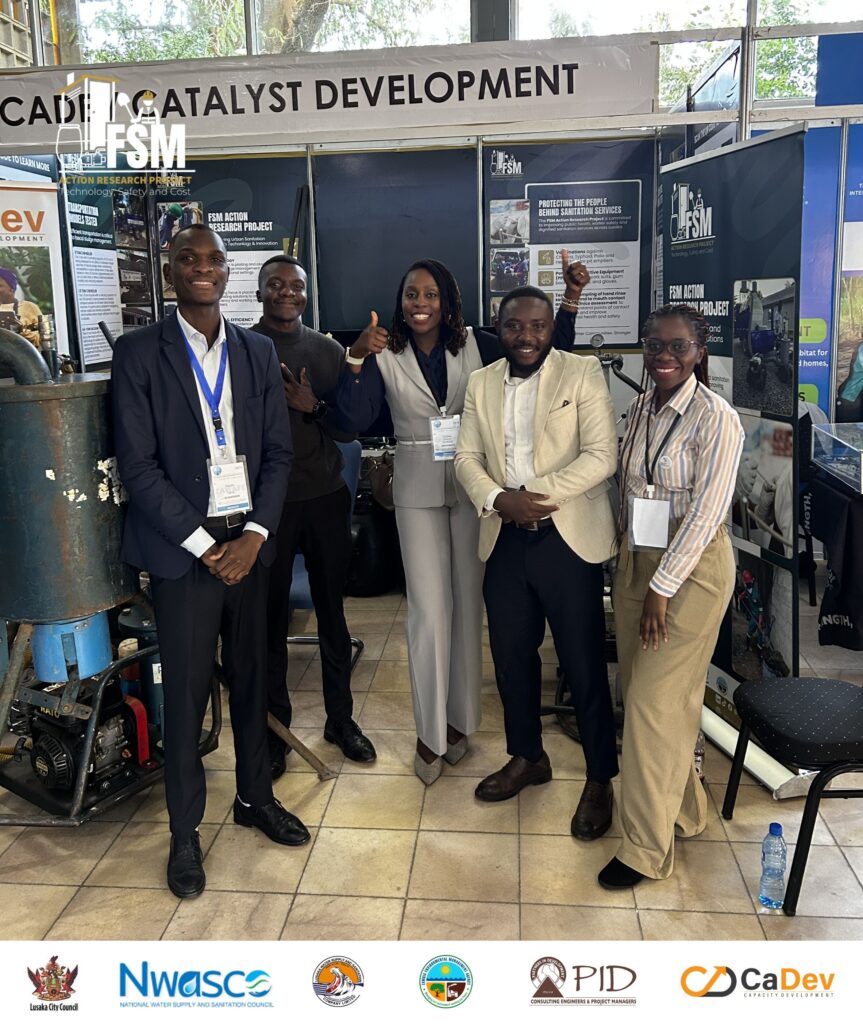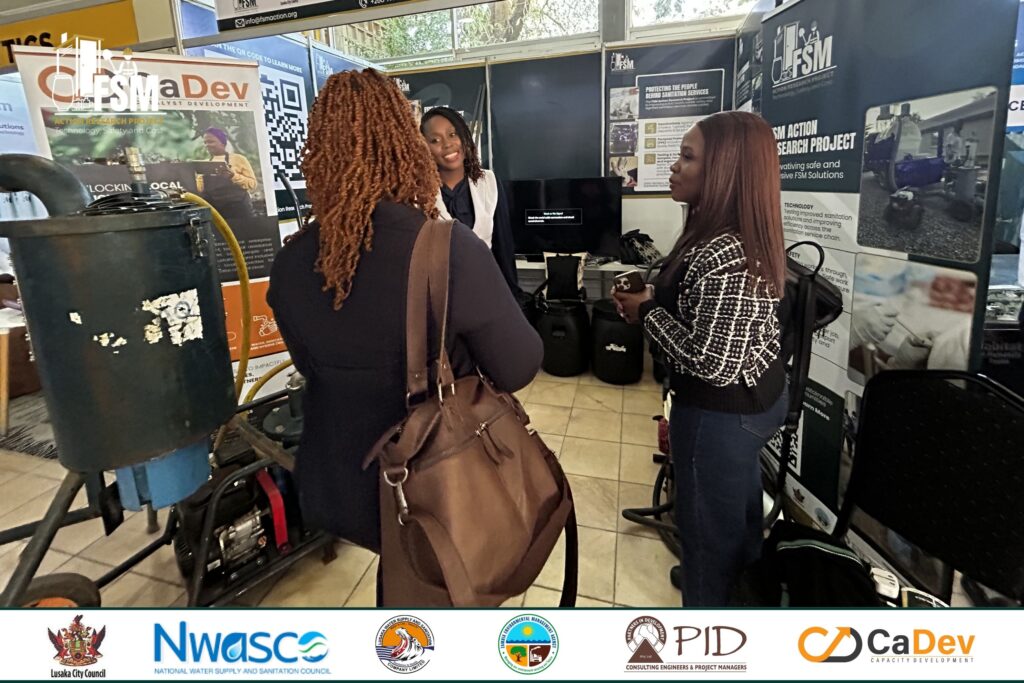
As we wrap up another successful edition of ZAWAFE 2026, we reflect on four impactful days of learning, innovation, collaboration, and knowledge sharing within the WASH sector.
The event was officially opened by the Vice President of the Republic of Zambia, W.K. Mutale Nalumango, who toured the exhibition booths and interacted with exhibitors, appreciating the innovations and progress being made across the water, sanitation, and hygiene sector.
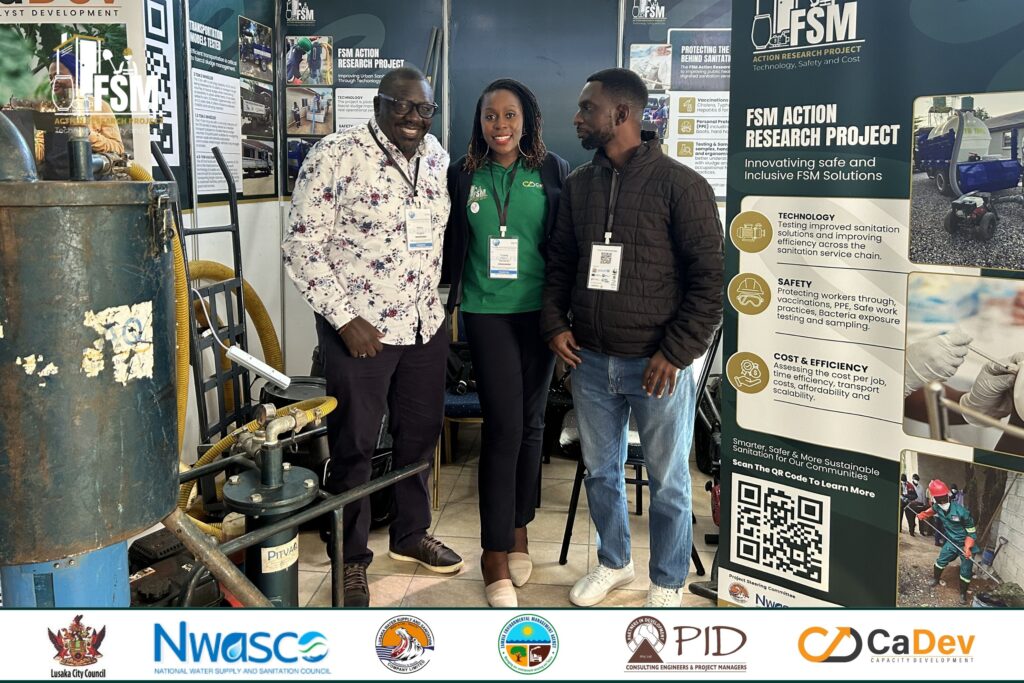
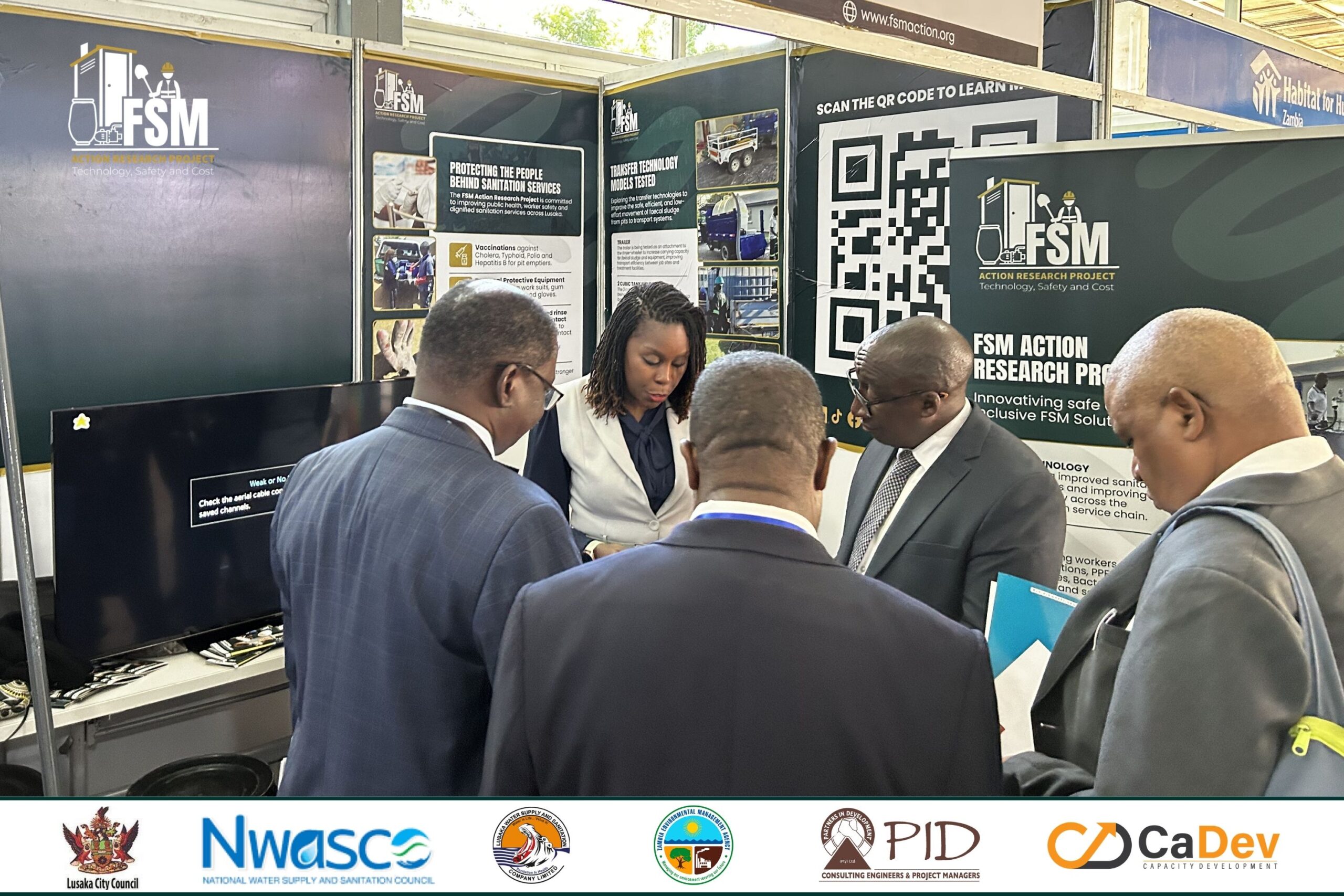
For CaDev_Catalyst Development, participation under the FSM Action Research Project provided a valuable platform to showcase innovative faecal sludge management solutions and share preliminary findings from the project. As proud session sponsors and sponsors of the ZAWAFE field trip activities, we were honored to contribute to creating opportunities for learning, collaboration, and practical engagement among sector stakeholders.
Throughout the exhibition, visitors engaged with the technologies being tested, including the PuPu Pump, PitVaQ, and improved manual emptying tools, gaining insights into how these innovations can improve sanitation service delivery.
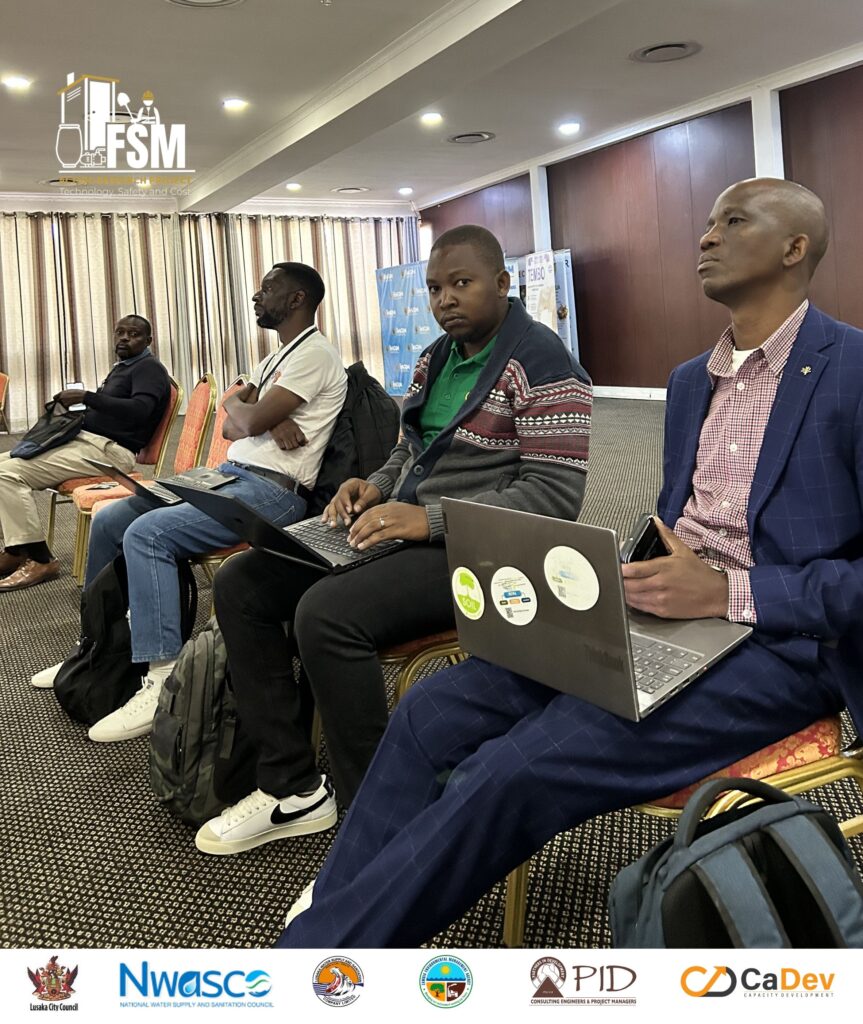
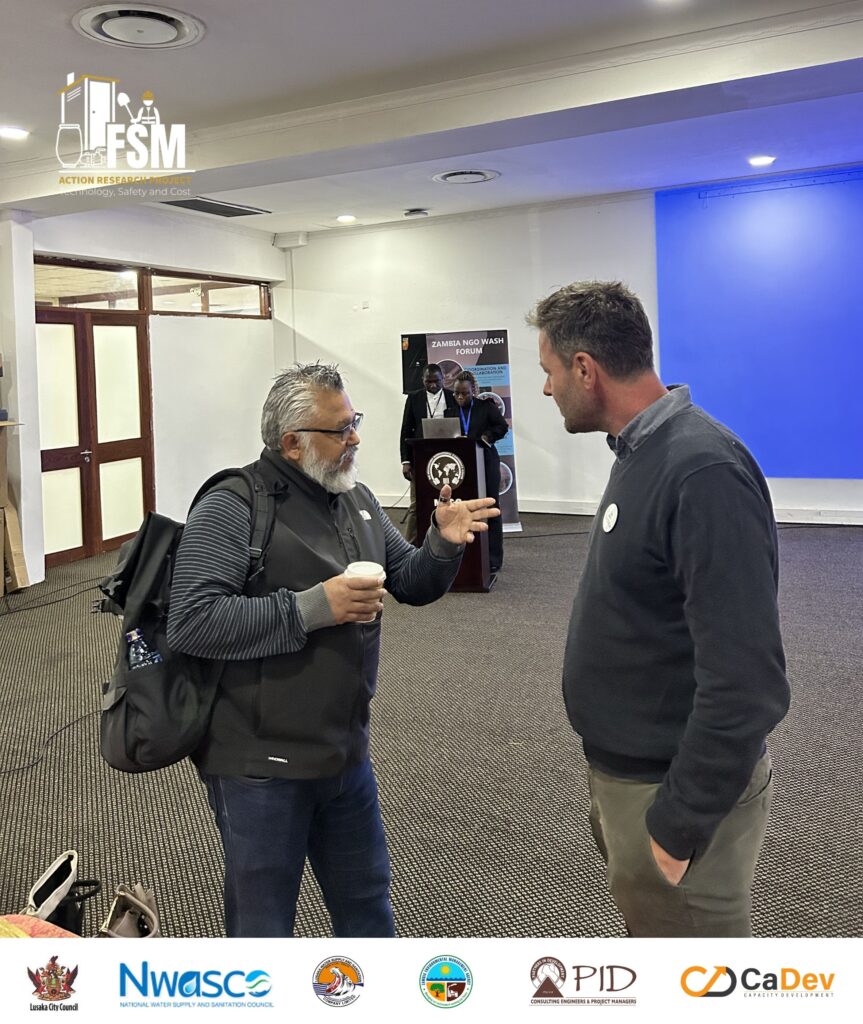
Day One focused on introducing the project and engaging participants on its objectives and contributions to the WASH sector. Day Two brought even greater interaction as stakeholders, practitioners, and delegates visited the exhibition stand to learn more about the technologies and approaches being piloted.
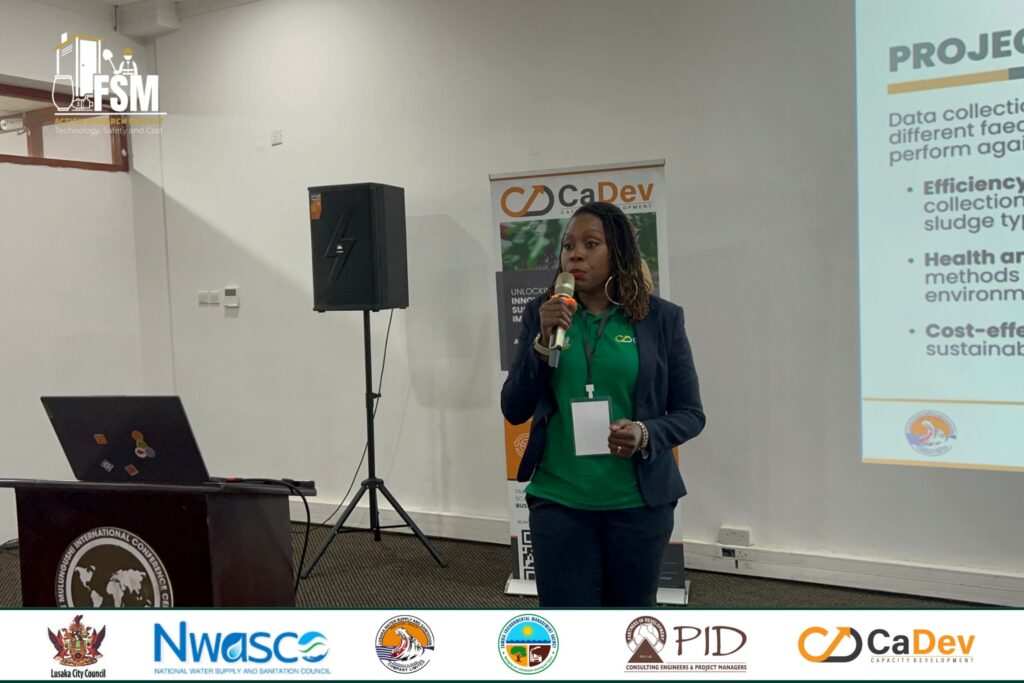
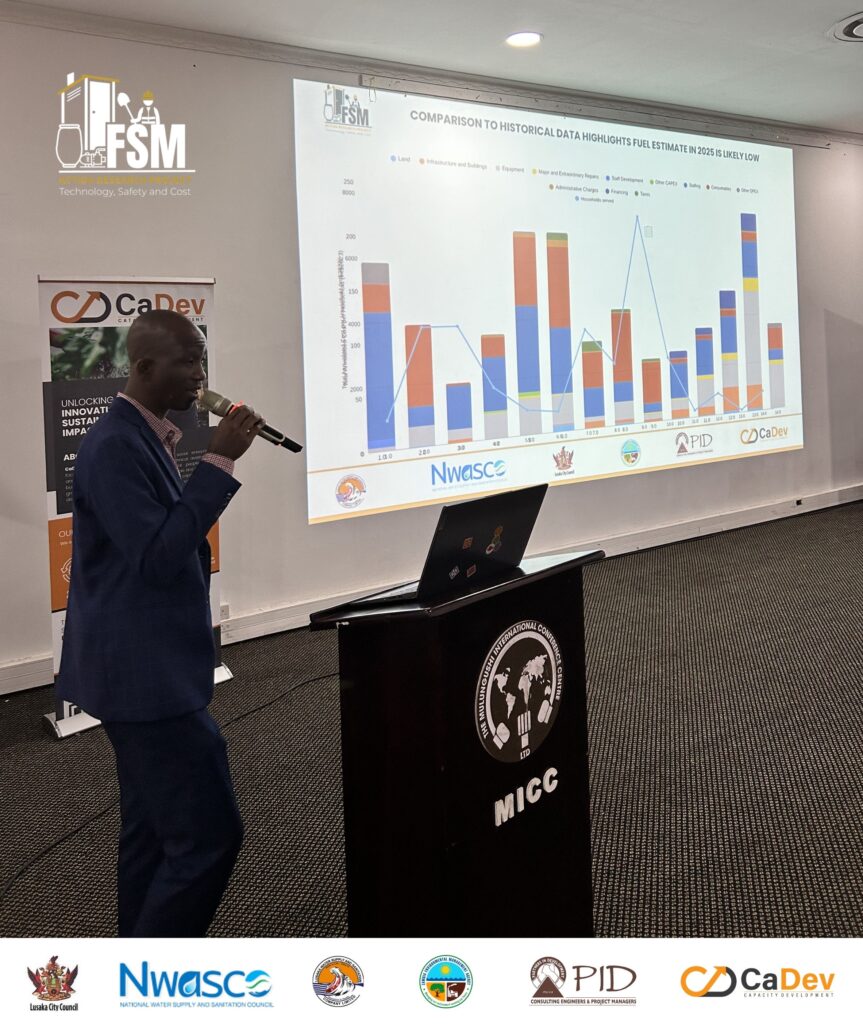
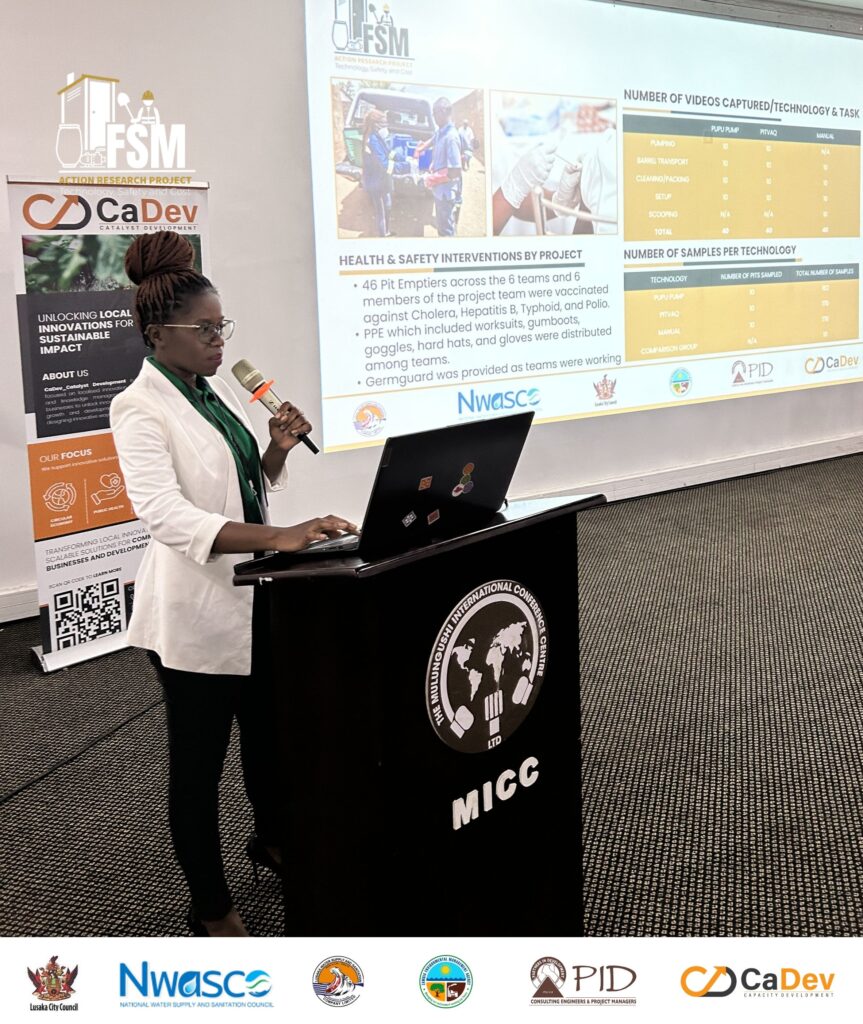
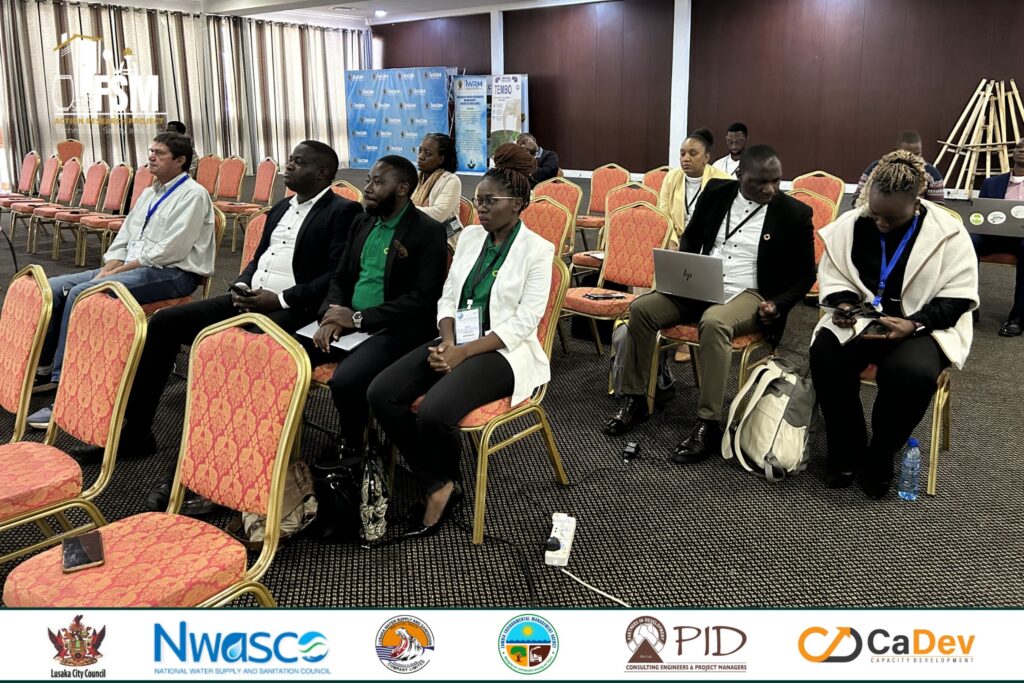
A major highlight came on Day Three, when the CaDev team hosted and sponsored a preliminary results-sharing session. The session featured presentations by Chaiwe Mushauko, who introduced the findings, Evans Mambwe on emptying and transportation cost evaluation, Karen Mwengwe on public health, Rodger Chitempa on time and motion analysis, and Aaron Bangwe on the Rental Pay-Per-Use Model. Together, these presentations showcased how the project is generating evidence to support more efficient, sustainable, and inclusive sanitation services.
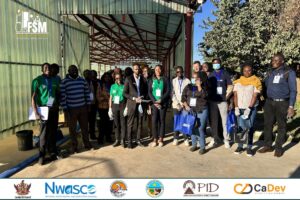
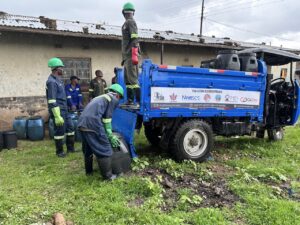
The afternoon field visit to Manchinchi Treatment Plant, sponsored by the FSM Action Research Project, provided stakeholders and participants, including representatives from Mulungushi University, with a unique opportunity to observe the emptying, transfer, and transport technologies operating in real-world conditions. Participants also witnessed a live demonstration of the PuPu Pump by Robert Wirts, who highlighted how the technology is transforming pit emptying practices around the world.
The final day concluded with another field visit focused on engaging pit emptying service providers. Supported by the Zambia Emptiers Association, the session introduced emptiers to the PuPu Pump and provided an overview of the Pay-Per-Use Model, demonstrating how these innovations can improve efficiency, safety, and business sustainability within the sector.
We extend our sincere gratitude to ZAWAFE, stakeholders, delegates and all participants who engaged with us throughout the event: National Water Supply and Sanitation Council(NWASCO), Lusaka Water Supply and Sanitation Company, Lusaka City Council, Zambia Emptiers Association , SNV, Youth WASH Ambassadors Club, Fresh Life, ZEINTH Pipes, Habipat, levy mwanawasa medical university, CIDRS, DWSS, University of Zambia, JICA-SPLASH and VOZ