Lusaka’s unplanned settlements are characterized by poorly defined access roads and encroachment on road reserves. These access constraints, together with mixed containment types, influence technology choice. When comparing the Pupu pump (a new technology for Lusaka) and the Pitvaq system, the following observations were made:
- The Pupu Pump enabled operators to park up to 100 metres away while maintaining access to pits through hose systems, reducing manual handling and improving efficiency.
- The technology significantly reduces the risk of water contamination, particularly during flooding in the rainy season.
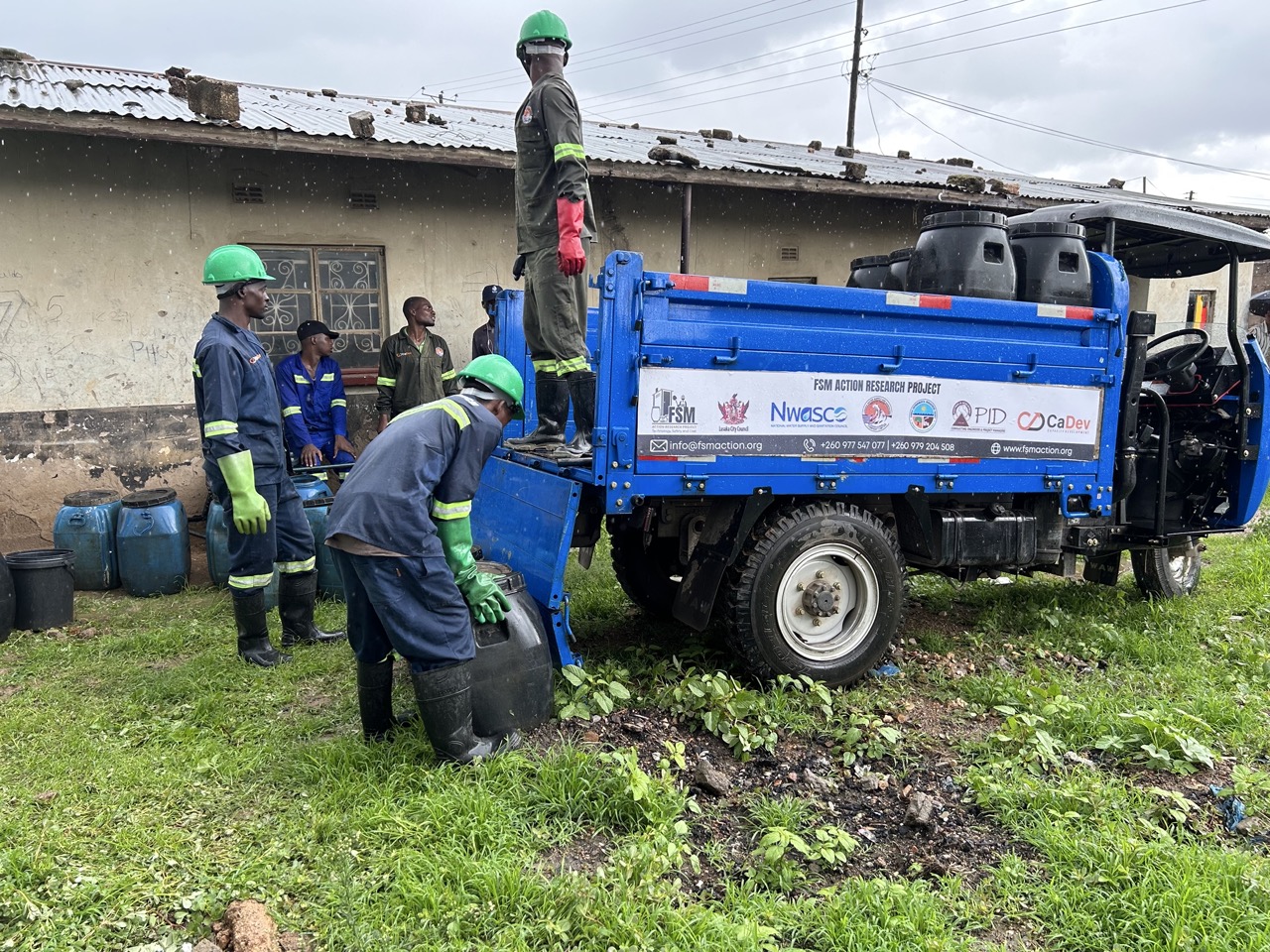
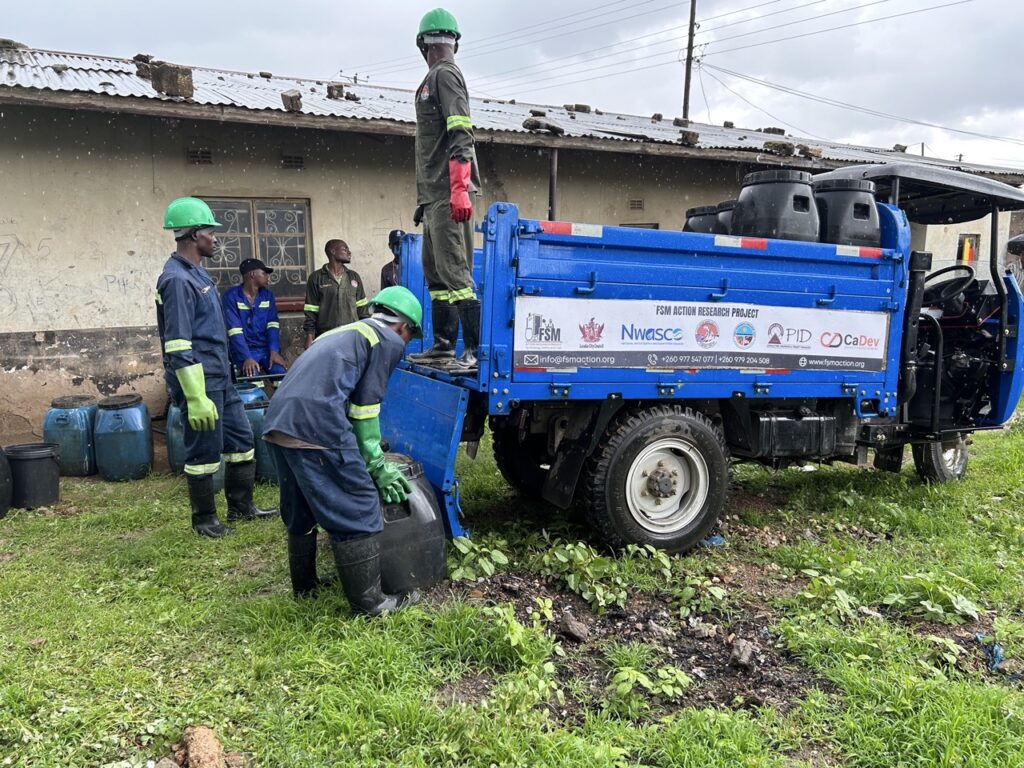
- The Pitvac performed efficiently in wet pit conditions and emptied pits faster than manual methods, but remained dependent on barrel-based sludge transfer, increasing handling requirements.
- Spillage can occur during discharge into barrels, and together with barrel-cleaning practices, may contribute to environmental contamination, particularly during rainy seasons.
Context and Challenge
Lusaka has an estimated population of 2.4 million, with around 80% of households relying on on-site sanitation. The city is testing improved pit emptying methods in a context where unplanned settlements are characterized by poorly defined access roads and encroachment on road reserves. These access constraints, together with mixed containment types, influence technology choice.
Technology Deployment
The project has used manual emptying, improved manual emptying, the Pupu pump and Pitvaq,. The Pupu pump has been a key focus as a relatively new technology in Lusaka, with potential for use where sludge can be pumped over a distance directly into a tank or vehicle.
The Pitvac has previously been used within Zambia’s sanitation sector by both utility and private service providers. However, many units were no longer operational due to damage and limited repair efforts until their reintroduction through the FSM Action Research Project.
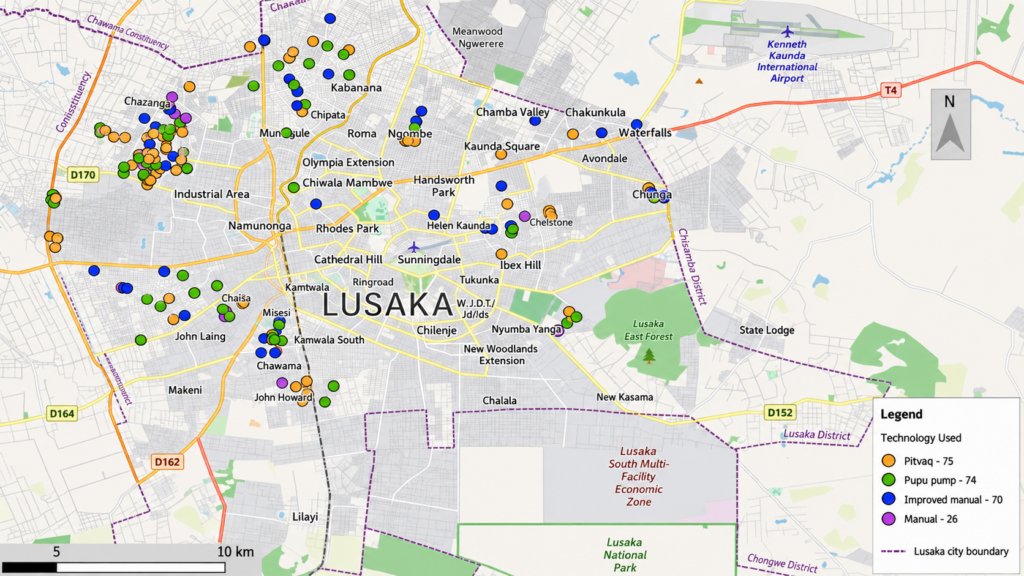
Figure 1. Spatial distribution of pit emptying technologies across Lusaka
Emerging Operational Points
- The Pupu pump enabled operators to park up to 100 metres away while maintaining access to pits through hose systems, reducing manual handling and improving efficiency.
- The technology significantly reduces the risk of water contamination, particularly during flooding in the rainy season.
- The Pitvaq performed efficiently in wet pit conditions and emptied pits faster than manual methods, but remained dependent on barrel-based sludge transfer, increasing handling requirements.
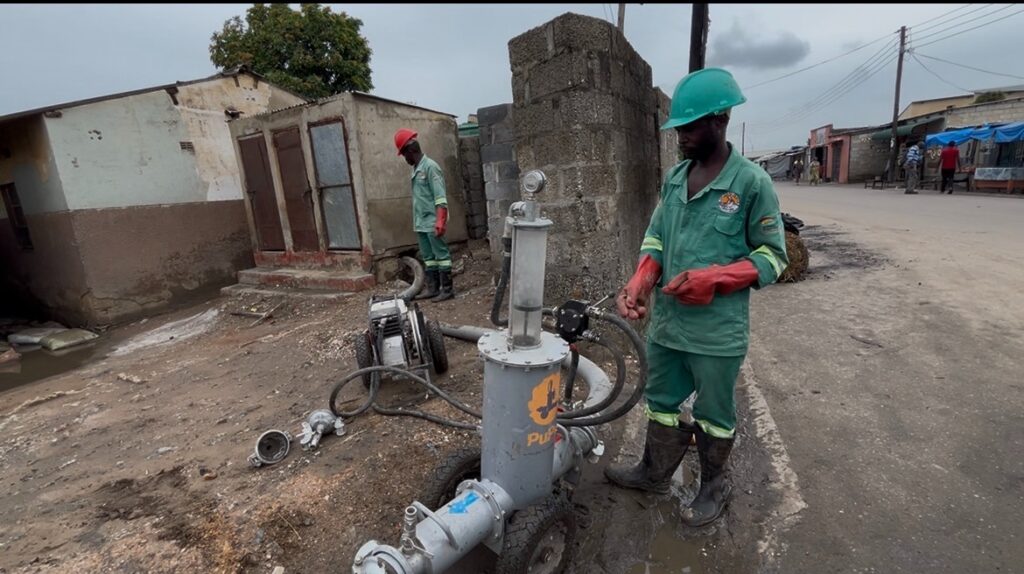
Figure 2. Pit emptiers in Lusaka operating the PuPu pump
| Technology Jobs recorded | Technology Jobs recorded |
| Manual emptying | 26 |
| Improved manual emptying | 70 |
| PuPu pump | 74 |
| Pitvaq | 75 |
| Total | 245 |
Table 1. Jobs recorded per technology in Lusaka
General observations
Some emptiers feel the PuPu pump is faster and reduces labour, while others feel its parts are too heavy. It is generally perceived as cleaner than both manual emptying and the Pitvac.
The Pupu Pump is considered fast because it eliminates barrel cleaning and transporting barrels to the truck, and assembly becomes quicker with use. This also extends barrel lifespan.
The Pitvaq is considered the fastest in terms of pumping. It has lighter components than the Pupu Pump and takes up less space in the truck. However, it can only operate close to the toilet being emptied.