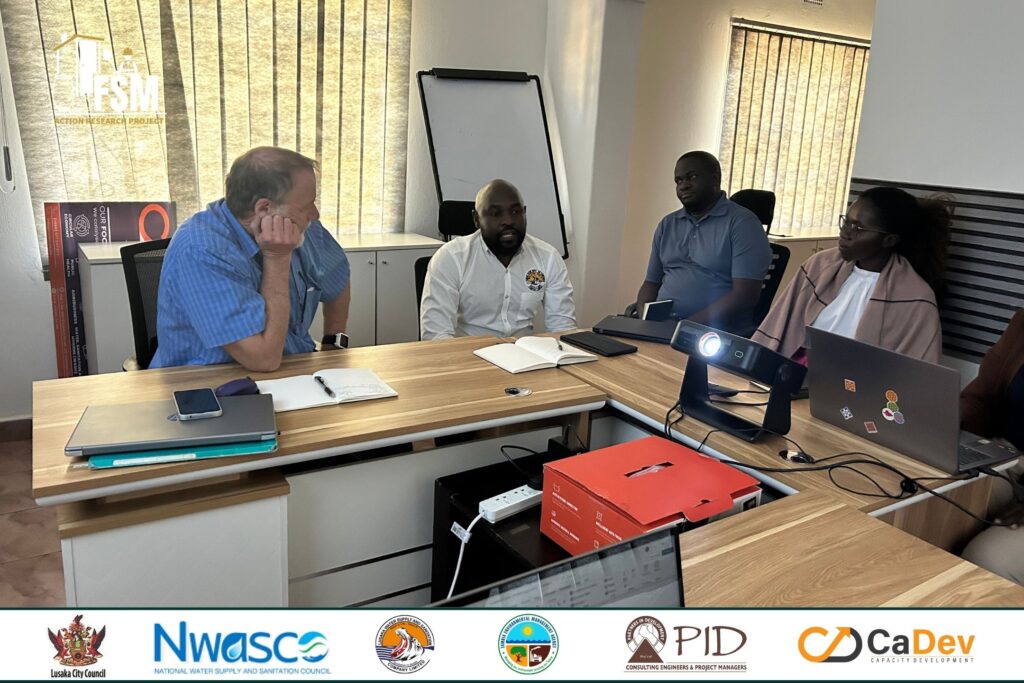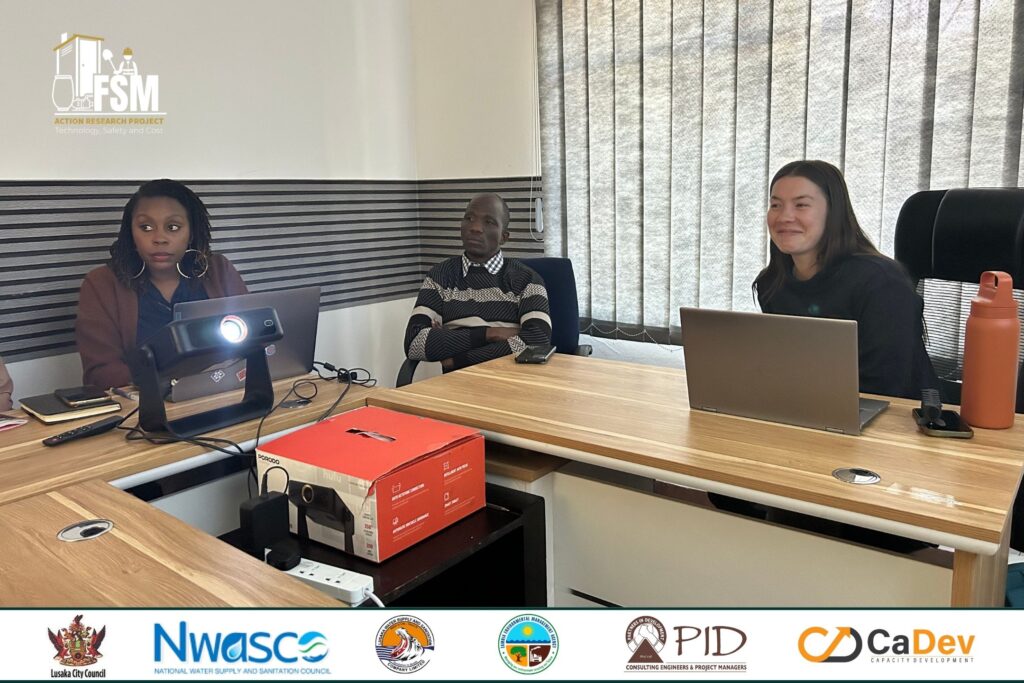
Following a successful day of field visits and technology demonstrations across Lusaka’s peri-urban communities, the FSM Action Research Project shifted its focus from observing innovations in practice to strategic discussions on the project’s progress and future direction.
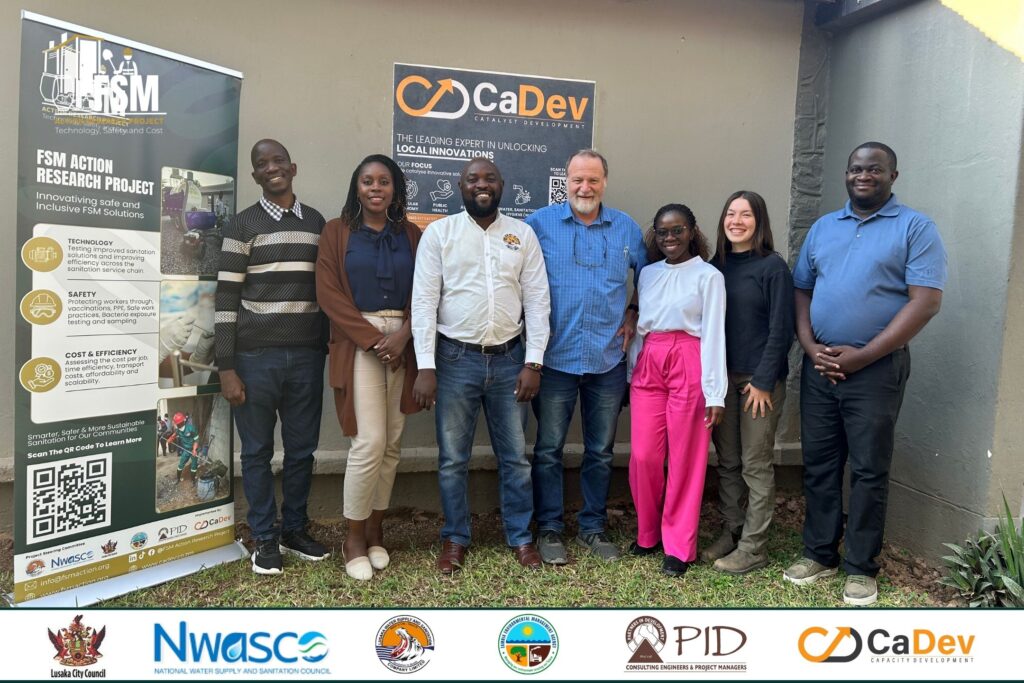
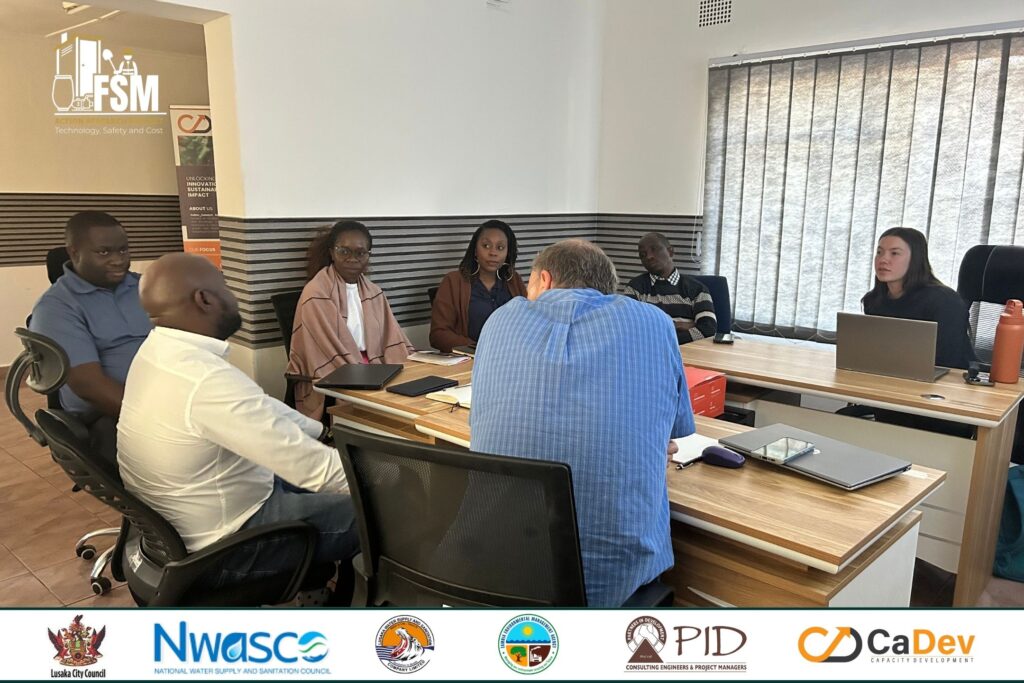
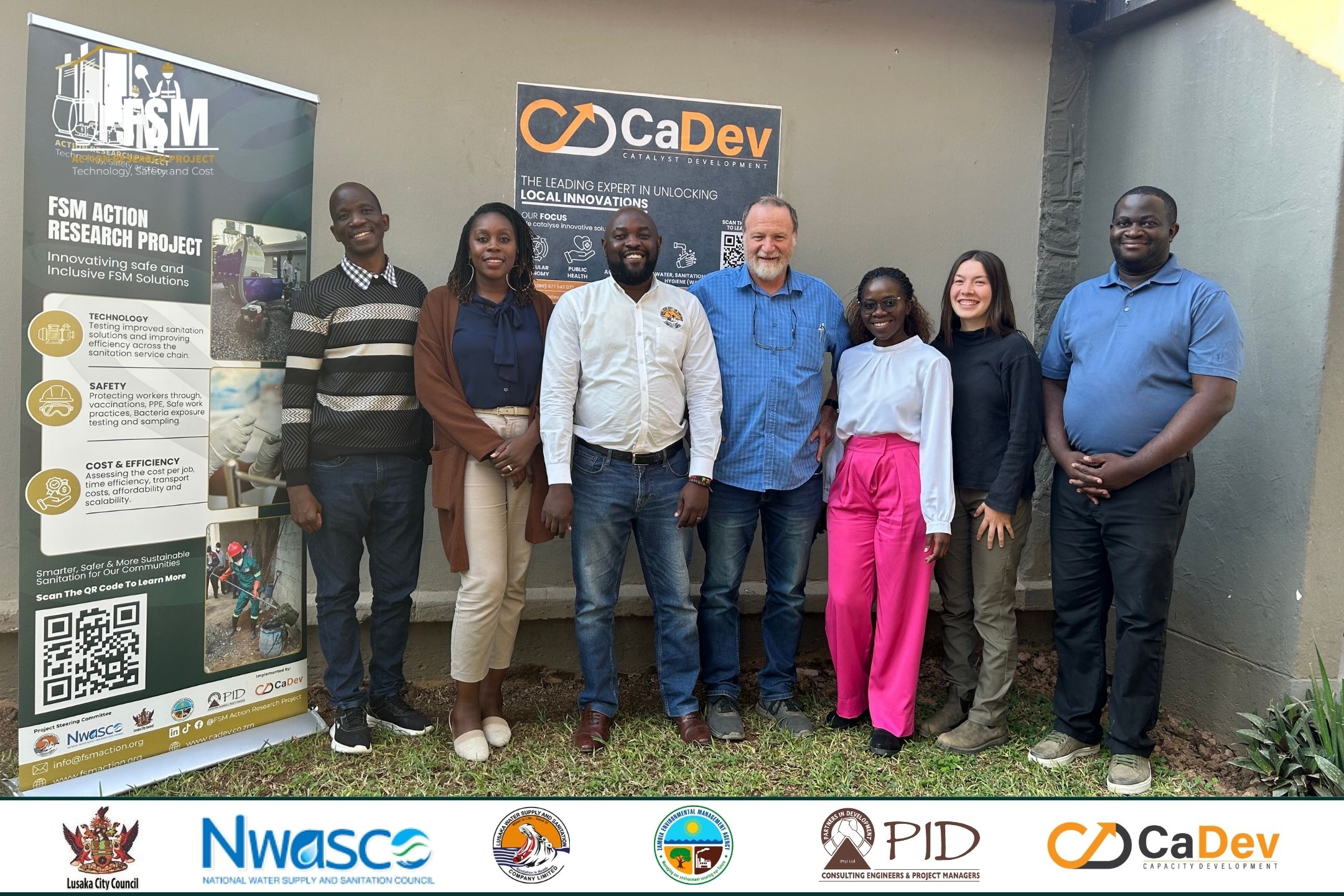
Hosted by CaDev_Catalyst Development, the meeting brought together key members of the Project Steering Committee from Lusaka Water Supply and Sanitation Company (LWSC), including Mr. Wanzi Phiri, Systems Administrator and Mr. Evans Mambwe, FSM Manager. The session also formed part of Project Manager Dave Still’s visit to Lusaka, providing an opportunity to review emerging findings and discuss how research can inform the next phase of project implementation.
Reviewing Emerging Research Findings
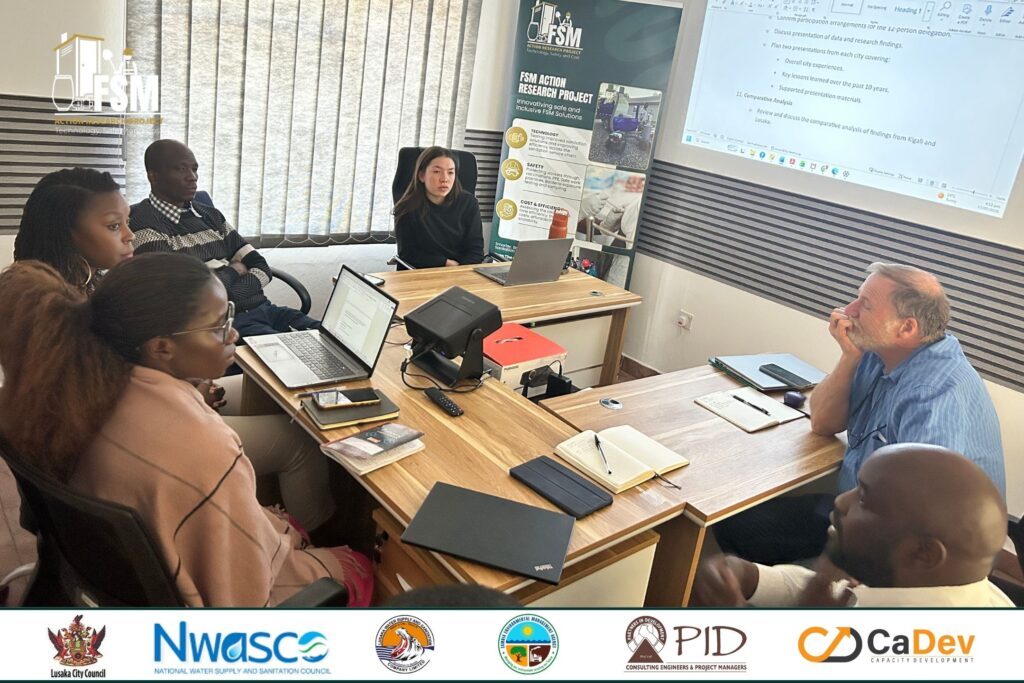
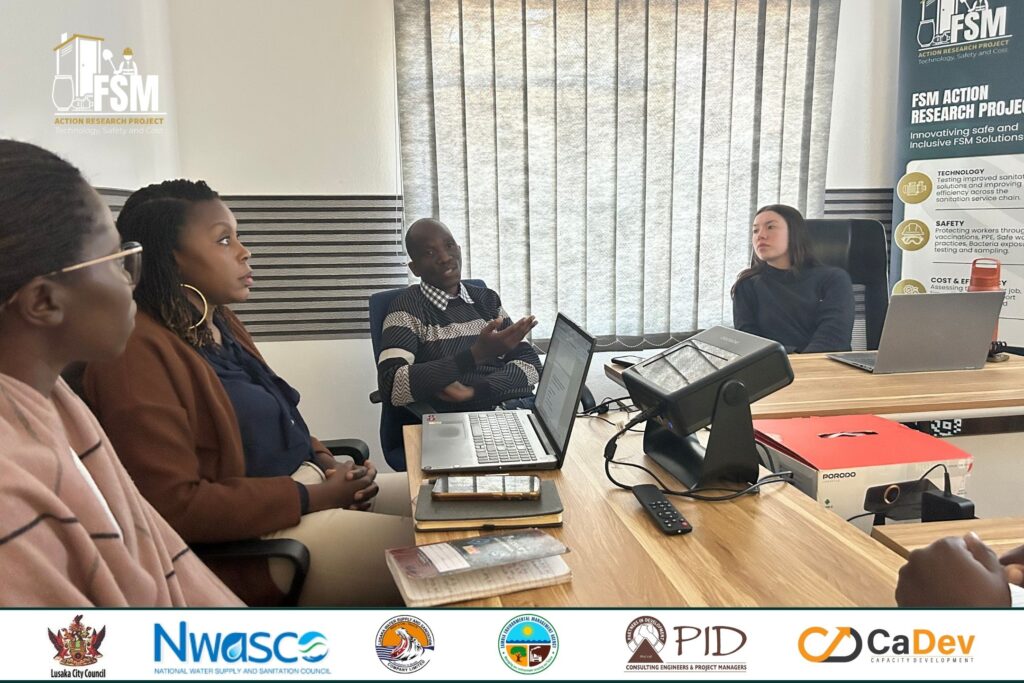
The meeting featured presentations from the CaDev project team highlighting preliminary findings generated through the FSM Action Research Project.
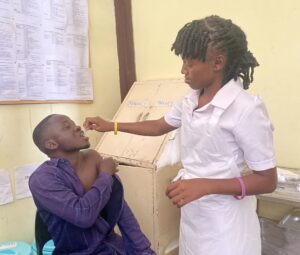
Karen Mwengwe presented findings from the Public Health component of the research, sharing insights into occupational health and safety, the importance of strengthening protective measures for pit emptiers, and how improved practices contribute to safer sanitation service delivery.
Chaiwe Mushauko, who leads the implementation of the project in Lusaka, provided an overview of project progress, highlighting key milestones achieved, ongoing research activities, and priorities for the next phase of implementation.
The discussions enabled project partners to reflect on the evidence generated so far and consider how the findings can support practical improvements across the sanitation service chain.
Strengthening Health, Safety and Service Delivery
A significant focus of the meeting was the continued improvement of occupational health and safety within the faecal sludge management sector.
Stakeholders discussed opportunities to strengthen the enforcement of existing health and safety regulations, improve working conditions for sanitation workers, and enhance infrastructure at faecal sludge treatment plants. The conversation also highlighted the need for improved welfare facilities for pit emptiers, recognising that investments in worker wellbeing are essential for delivering safe and professional sanitation services.
Exploring Sustainable Business Models
The meeting also explored the proposed FSM Equipment Rental (Pay-Per-Use) Model, one of the project’s key innovations aimed at improving access to specialised sanitation equipment.
Participants discussed how the model could support the planned scheduled desludging pilot, enabling sanitation entrepreneurs to hire equipment rather than invest in costly assets upfront. This approach has the potential to reduce financial barriers for service providers while improving service quality and expanding access to safe faecal sludge management services.
The discussions reinforced the importance of designing business models that are both financially sustainable and responsive to the operational realities faced by sanitation operators.
Turning Research into Action
As the FSM Action Research Project moves closer to its results-sharing phase, the meeting underscored the importance of translating research findings into practical action.
The collaboration between CaDev, LWSC, project partners, and the Project Steering Committee continues to provide a strong foundation for evidence-based decision-making. By combining research, stakeholder engagement, and practical implementation, the project is contributing to the development of policies, business models, and service delivery approaches that can strengthen faecal sludge management in Lusaka and beyond.
With continued collaboration and shared commitment, the FSM Action Research Project is helping shape a more resilient, inclusive, and sustainable future for urban sanitation.