Listening and learning – discussions with pit emptying workers in four African cities
1. Introduction
There is a human cost to clean cities. Every day, teams of pit-emptying workers across sub-Saharan Africa remove and transport the waste that keeps our cities sanitary. Many workers who carry out this vital task operate in the shadows, with little legal protection, unstable pay and almost no institutional backing.
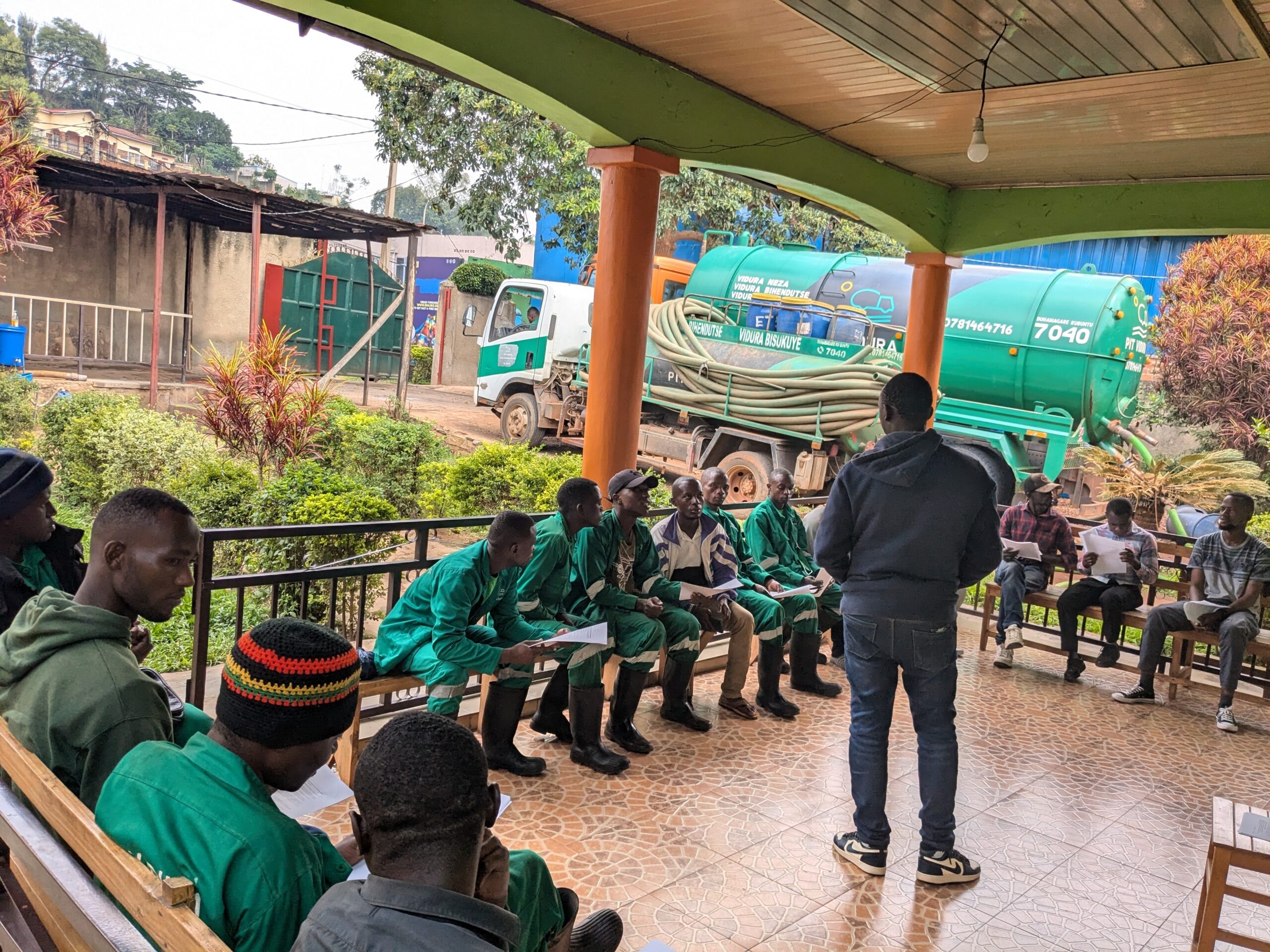
Between August and December 2025, the FSM Action Research project sat down with these workers directly, holding 12 focus group discussions in four cities: Lusaka (Zambia), Kampala (Uganda), Kisumu (Kenya), and Kigali (Rwanda).
The discussions focused on three areas: the health and safety risks workers face on the job, the financial pressures that come with the work, and the support they receive from utilities, companies, and government bodies. This newsletter summarises what workers reported along with the improvements they identified as most important.
2. Key learnings across the four cities
A dangerous job with little protection
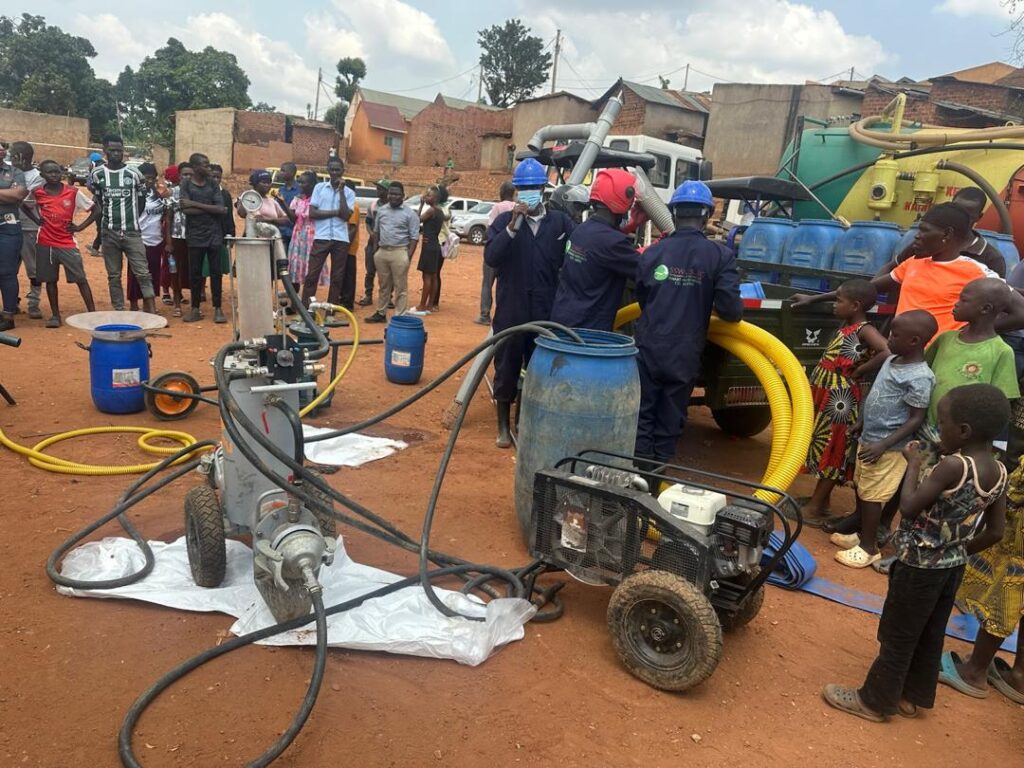
Workers in all four cities reported similar hazards: cuts and puncture wounds from sharp objects, gas exposure, pit collapses, and direct contact with raw sludge, often due to damaged equipment. In the absence of reliable solid waste collection services, households often dispose of general household waste, including sharp and hazardous items, directly into pit latrines, leaving workers to encounter it unexpectedly during emptying. Protective gear and PPE are often poor quality,
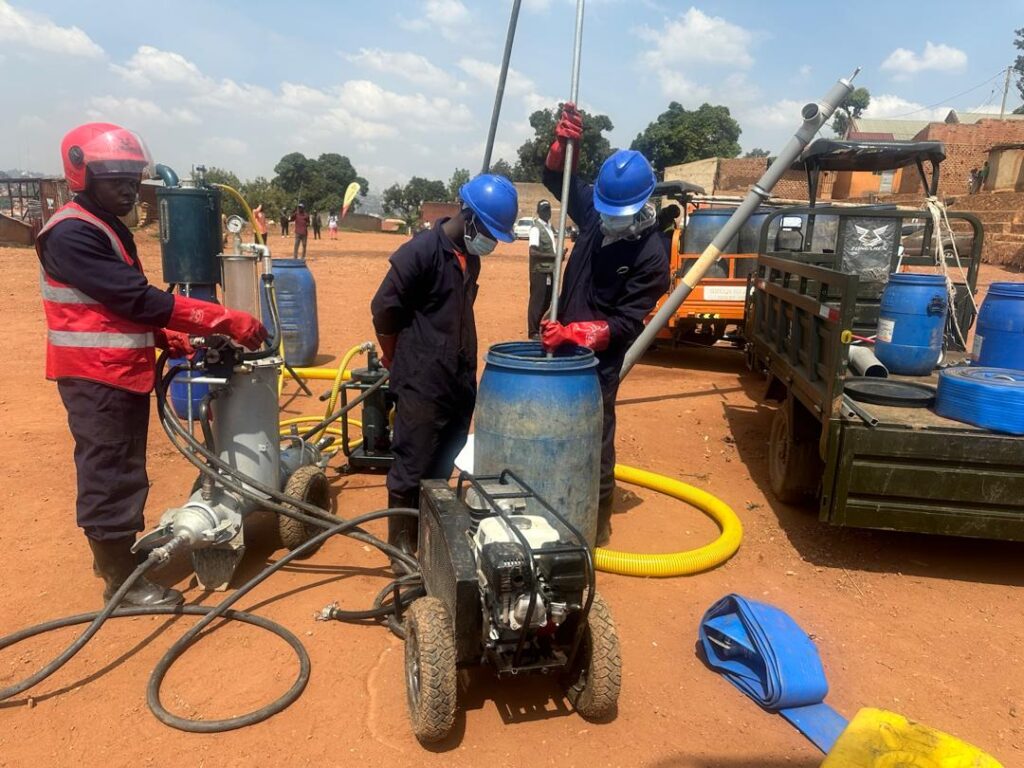
“I was unable to work for two weeks due to an injury.”
— FSM worker, Kampala
Additional risks varied by city. In Kisumu, workers described venomous snakes living in pits. In Lusaka, Kisumu, and Kampala, workers spoke of the psychological toll of discovering aborted fetuses during “trash fishing” with no counselling or support offered afterward.
Pay that doesn’t match the risk
Earnings across all four cities were reported as below the cost of living, with most workers paid by commission, per barrel or per job, rather than a fixed salary. This makes it nearly impossible to budget, save, or qualify for a loan, since workers have no pay slips to prove steady income.
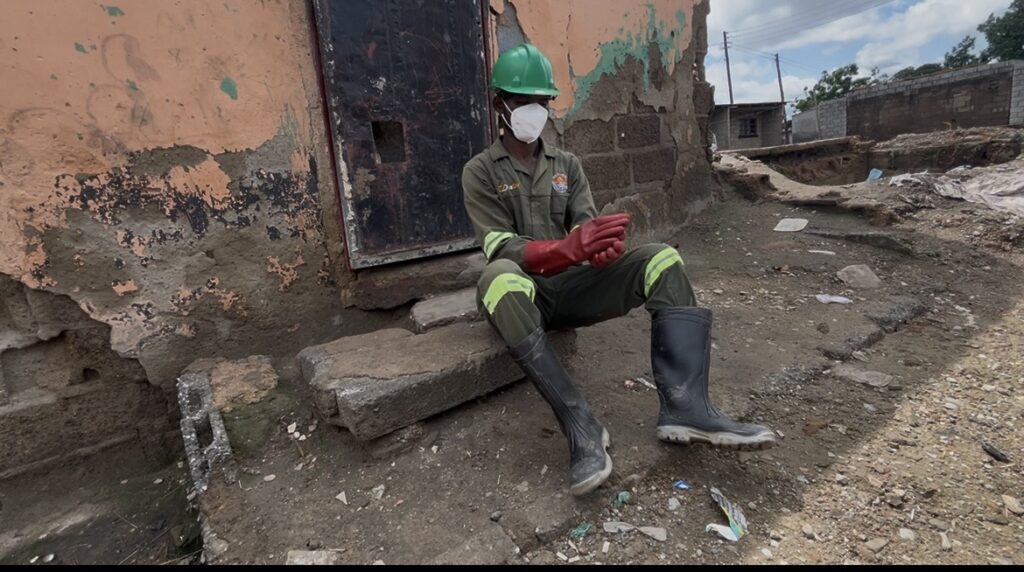
“We live off credit. We borrow because we are not paid timeously, and this gets worse during slow periods.”
— FSM worker, Lusaka
Seasonal slumps make things worse. There is less demand during the dry season since latrines and septic tanks fill up more slowly. This means work dries up for months at a time in every city, forcing workers to sell assets, fall back on their spouses’ small businesses, or return to activities such as farming, construction or working in the industries to get by. Where formal benefits like health insurance or pensions exist, they are limited to a small, formally contracted minority.
Support that comes and goes
Across all four cities, workers described institutional support as inconsistent and short-lived — mostly delivered through donor-funded projects rather than utilities or municipalities themselves. PPE, vaccinations, and training tend to appear during crises (like cholera outbreaks) or while an NGO project is active, then disappear once it ends.
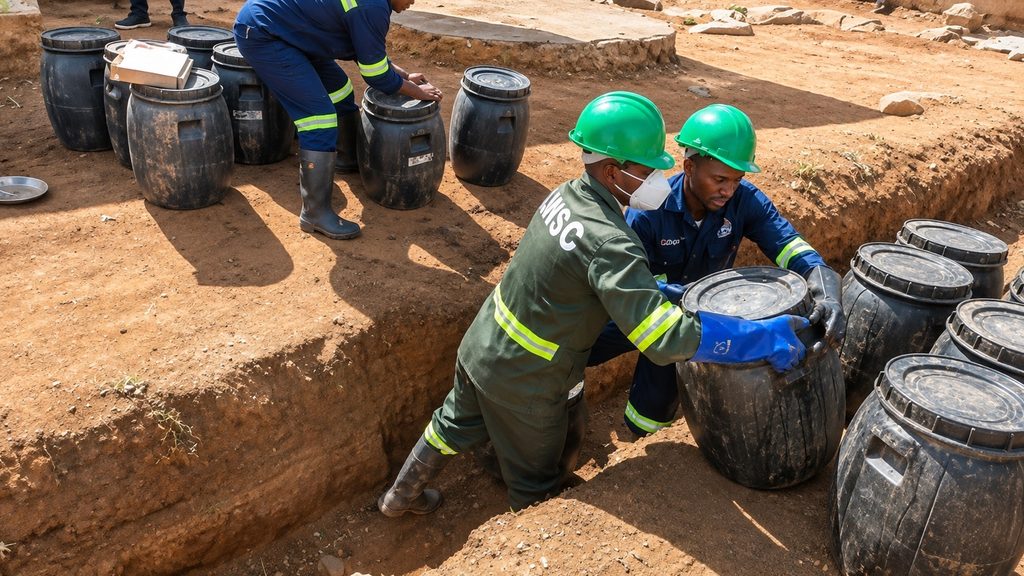
“There isn’t any support unless there is an outbreak like cholera. That’s when we will receive PPE from the utility.”
— FSM worker, Lusaka
Workers also face practical, everyday obstacles: poor quality (sometimes impassable) roads to treatment plants, limited access hours at disposal sites, high dumping fees, and limited or unclear channels to raise safety concerns or wage disputes with utilities.
Bright spots worth building on
Even amid the challenges, workers pointed to specific fixes that already work. These offer some indication of what more consistent support could look like.
- Lusaka’s new weighing bridge made dumping fees fairer and more predictable, a transparency reform workers welcomed outright.
- An institutional liaison in one city who regularly attends worker briefings and explains reporting channels was named again and again as a trusted point of contact.
- Kisumu’s free dumping access at the Nyalenda Oxidation Ponds removes a major cost barrier for manual emptiers.
- In Kigali, new security measures at the dumpsite were acknowledged as a real improvement after workers raised safety concerns.
- An operator in Kigali who directly covers medical insurance for its staff — a rare, concrete example of an employer absorbing this cost.
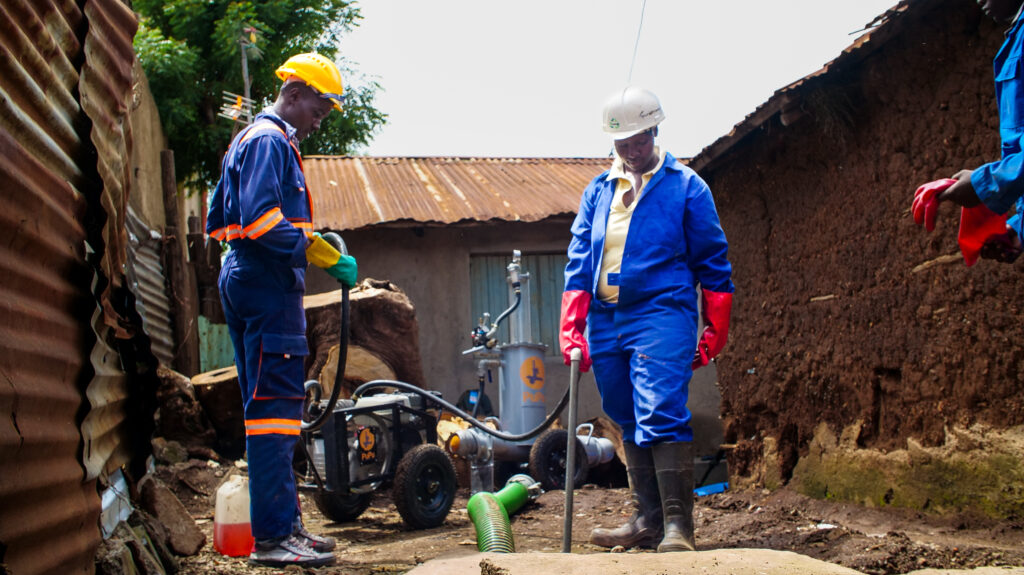
“The introduction of the weighing bridge and a new tariff was a good initiative because it has made the dumping fees affordable.”
— FSM worker, Lusaka
3. Suggestions for improvement
Workers were clear and specific about what would make the biggest difference. Their recommendations fall into four areas:
Recognize and formalize the workforce
- Integrate workers into utility structures with stable monthly salaries in place of commission-only pay.
- Provide standardized uniforms and formal identification to support professional recognition.
Strengthen financial and social protection
- Support access to health insurance, pensions and saving programmes
- Offer loan or lease-to-own financing so workers can access pit emptying and transport equipment more easily.
Fix the everyday operating environment
- Extend disposal site operating hours and invest in access roads and dumpsite infrastructure.
- Open up transport licensing to reduce monopolistic vehicle-hire arrangements, and keep dumping fees transparent and predictable.
- Sensitise the public against throwing solid waste into pits.
- Maintain a dedicated, functioning contact point for workers to report emergencies, harassment, or disputes.
- Build standard toilets which have a predesigned access point to curb accidents related to access point creation.
Plan for the future of the workforce
- As sewer networks expand and mechanization increases, support workers to transition into technical roles (such as sewer maintenance or equipment operation) with worker input in planning these transitions.
Taken together, these recommendations raise a broader question that extends beyond any single utility or company: who should ultimately bear the cost of creating a safer, more stable working environment for sanitation workers? Faecal sludge management is an essential public service, yet the households it serves are often low-income, and neither workers nor private operators can reasonably absorb these costs alone.
Answering this question, and determining what role utilities, governments, and funding partners should each play, is a necessary next step toward making these improvements achievable. Look out for our future case studies on some of the financial implications and the outlook of our city partners.
This newsletter highlights some of the findings from the full FGD manuscript prepared by the FSM Action Research Project team. Refer to the final publication for the complete methodology, data and discussion.
If you received this newsletter from someone and would like to sign up to receive all future issues, click here: