FSM Action Research Project Newsletter: Issue 3
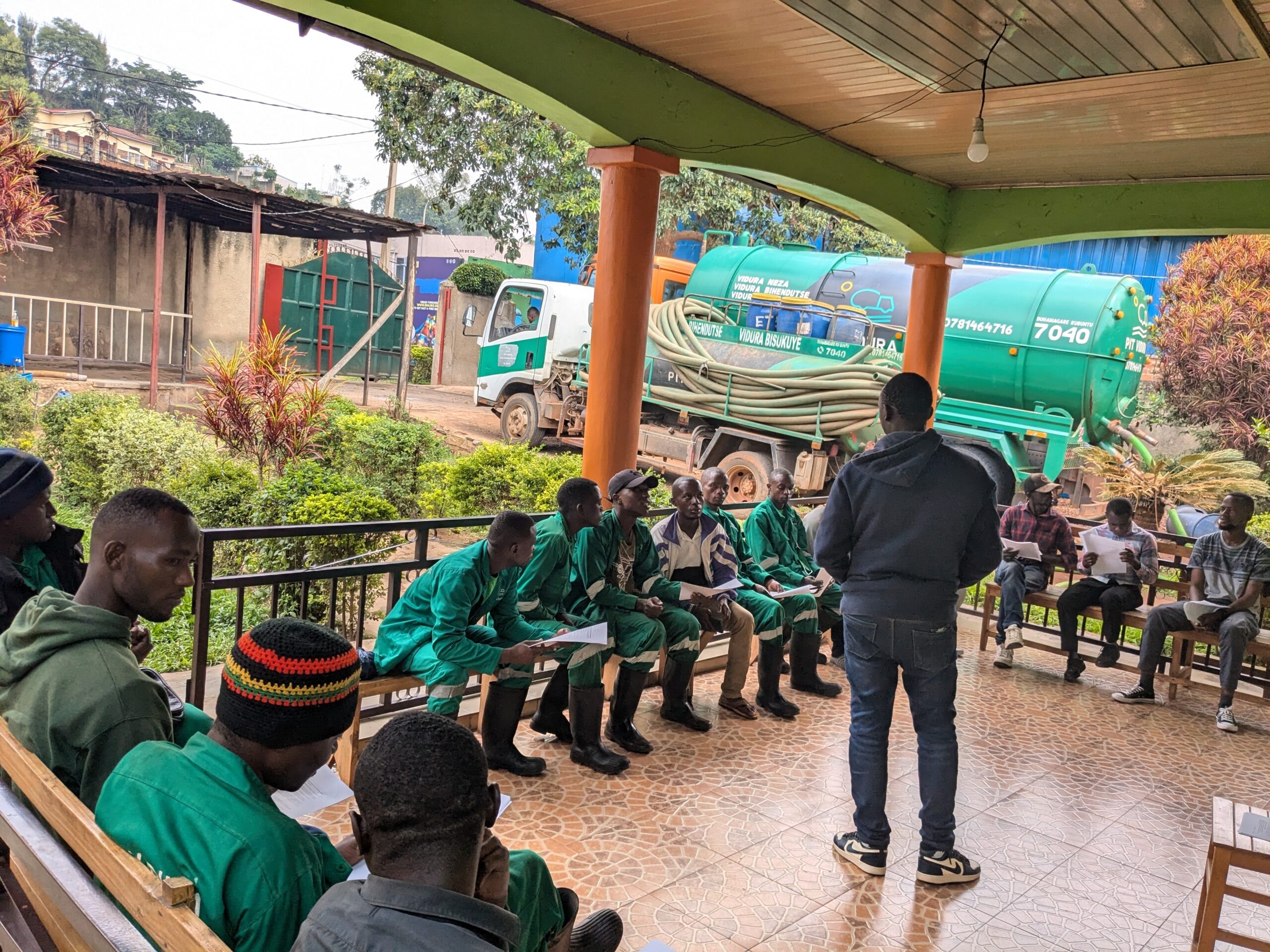
Listening and learning – discussions with pit emptying workers in four African cities 1. Introduction There is a human cost to clean cities. Every day, teams of pit-emptying workers across…

Listening and learning – discussions with pit emptying workers in four African cities 1. Introduction There is a human cost to clean cities. Every day, teams of pit-emptying workers across…
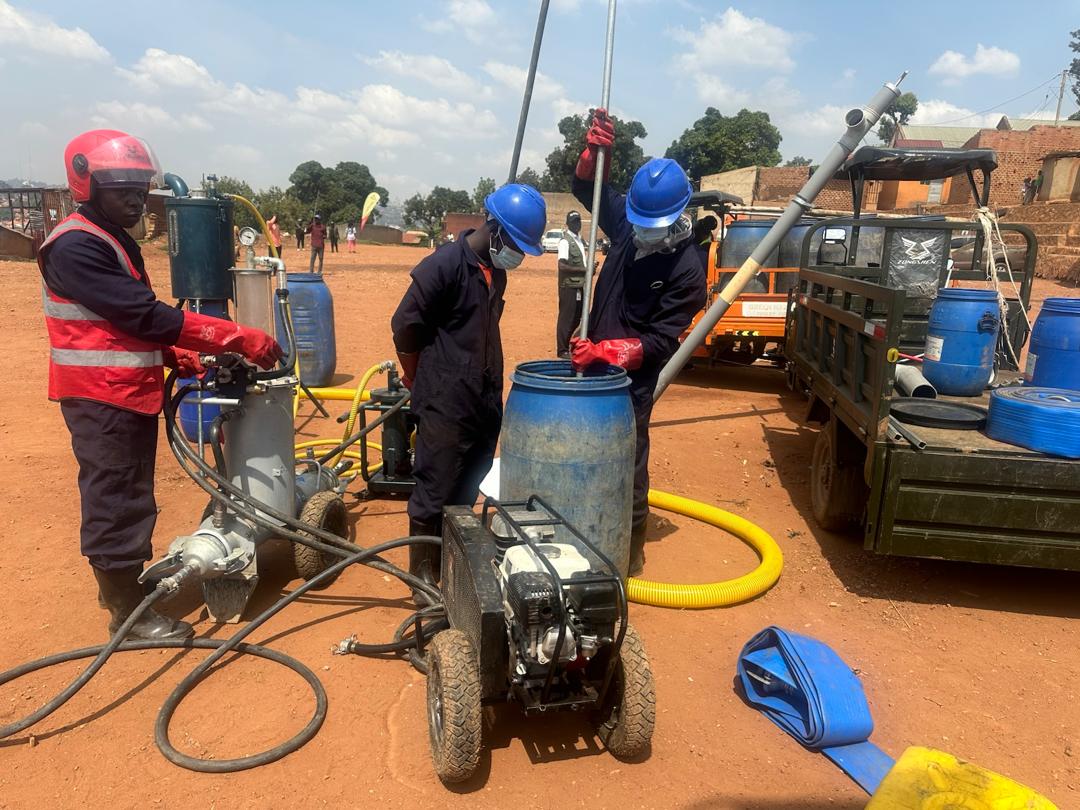
Comparing technology use – a research update across four cities Over the past 12 months, the FSM Action Research Project team conducted fieldwork across four cites: Lusaka (Zambia), Kigali (Rwanda), Kampala (Uganda),…

Kampala’s informal and peri-urban settlements present multiple operational challenges, including inaccessible terrain, pits with high solid waste content, congestion at disposal sites, and social stigma among workers. Similar to Kisumu, findings…
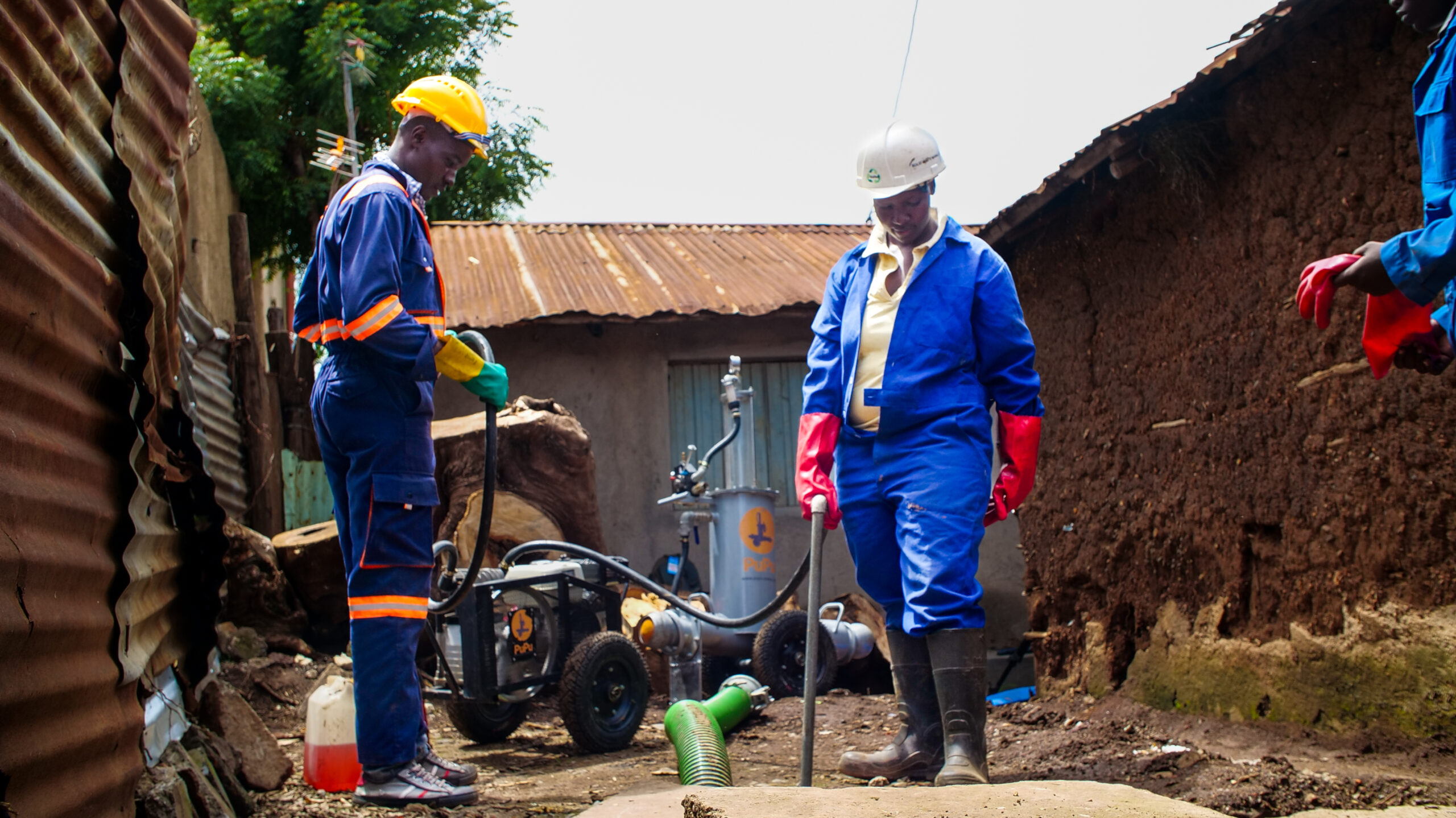
Kisumu’s sanitation landscape consists of dense low-income settlements and peri-urban areas where accessibility, settlement density, high water table and transport distance to treatment facilities strongly influence pit emptying operations. The emerging message…

Kigali is characterized by hilly terrain and dense informal settlements, where around 60% of residents live in hard-to-reach areas. Exhauster trucks are often unable to reach households and the hilly terrain…
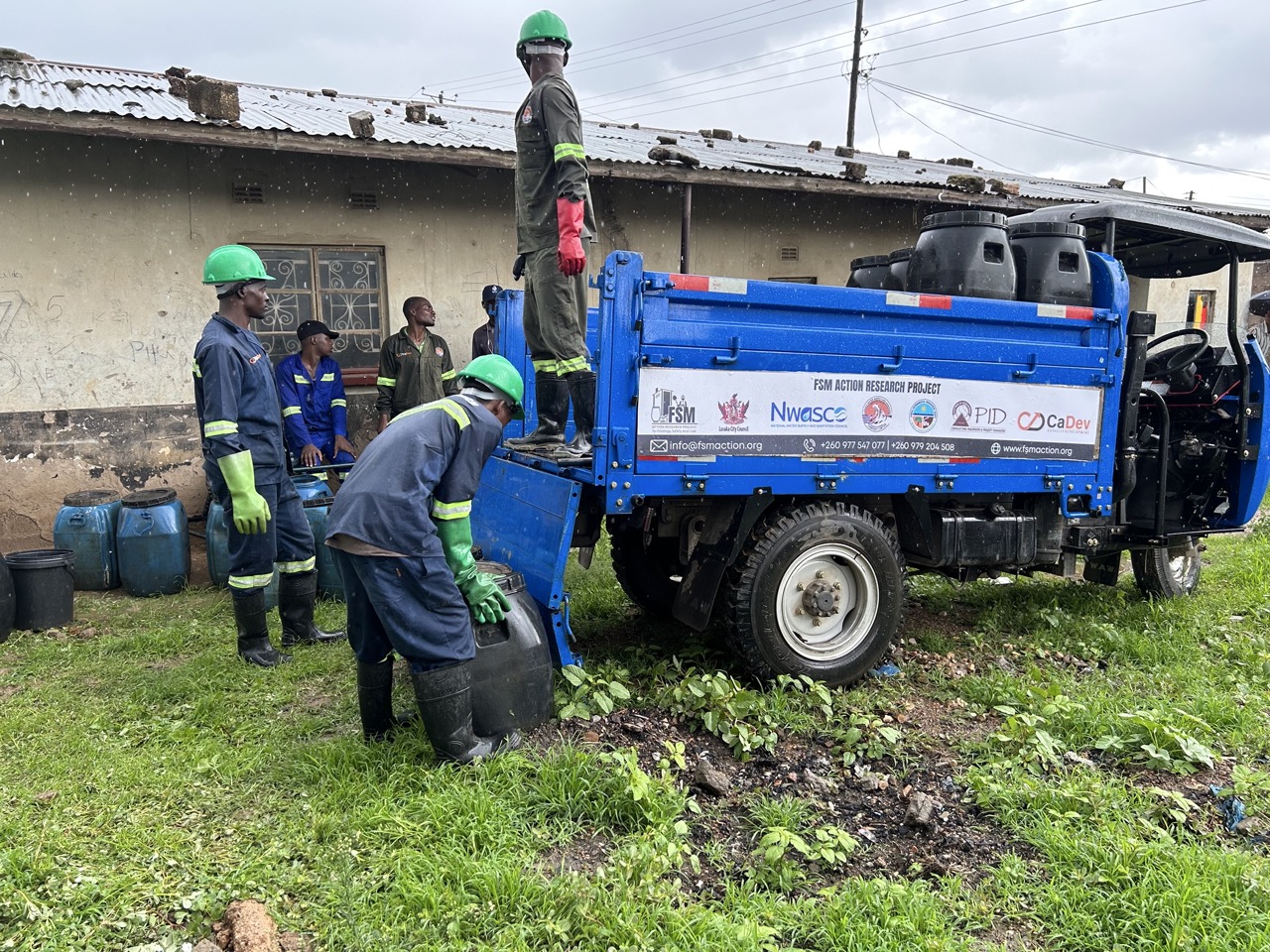
Lusaka’s unplanned settlements are characterized by poorly defined access roads and encroachment on road reserves. These access constraints, together with mixed containment types, influence technology choice. When comparing the Pupu pump (a new technology…

As the FSM Action Research Project moves into its next phase, Lusaka hosted an Ideation Workshop bringing together key stakeholders who have been central to implementing the project across the…

As part of the ongoing FSM Action Research Project, supported by the Gates Foundation, Pit Vidura brought together Kigali's sanitation actors — private service providers, regulators, utility, and city partners…
Update: December 2025 INTRODUCTIONThe Faecal Sludge Management (FSM) Action Research Project is a three-year programme (November 2023 – October 2026) designed to understand how faecal sludge emptying and transport services can…

The workshop brought together key sanitation stakeholders to discuss the safety and health of sanitation workers, with a focus on reducing risks through improved technology and better practices. Initial results…